
Vehicle selling & recycling
How to Scrap an Electric or Hybrid Car in Canada
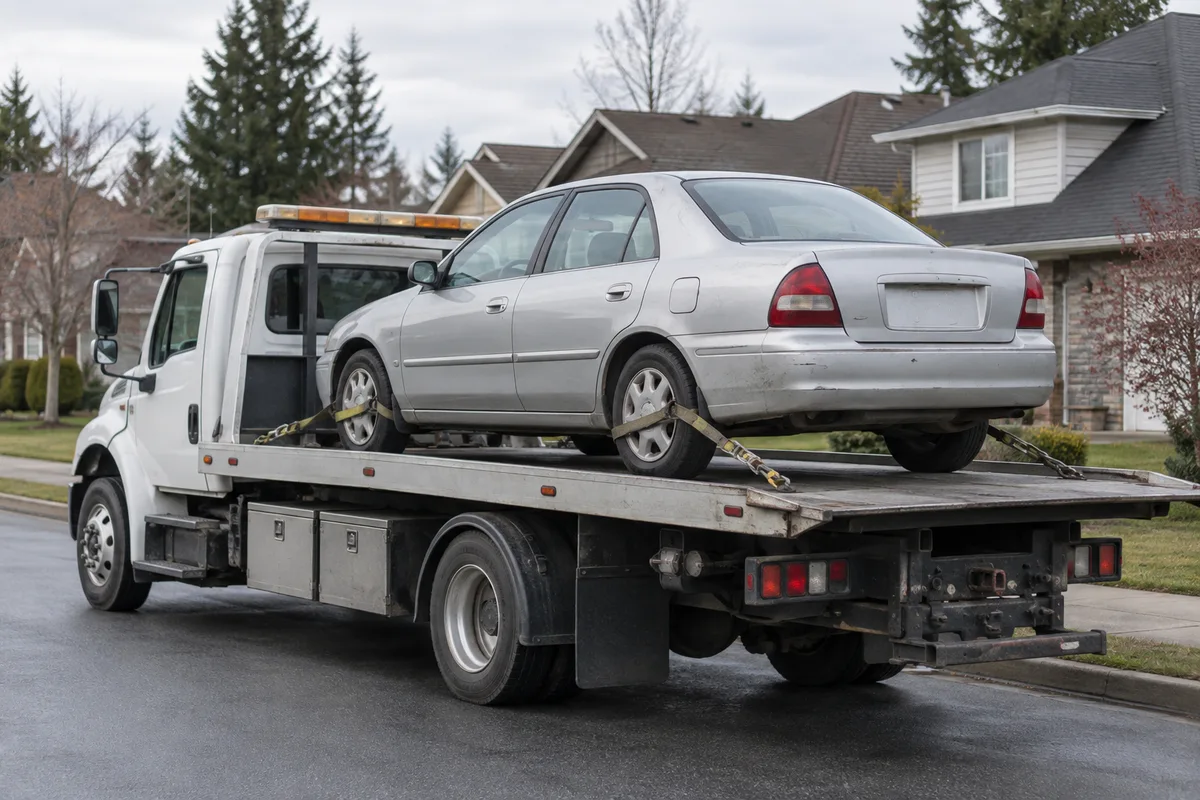
An electric or hybrid car needs an assessment that identifies its powertrain, battery condition and collection requirements. Explain collision, fire, flood or underbody damage before arranging transport. A non-starting vehicle does not necessarily have an unusable traction battery, and an intact-looking vehicle does not prove that its battery is safe.
Which vehicle and battery are you describing?
Identify the exact model and whether it is battery-electric, plug-in hybrid or another hybrid. The powertrain affects the equipment and components the assessor needs to consider. Do not describe every electrically assisted car as having the same battery system.
| Detail | Why the assessor needs it |
|---|---|
| Year, make, model and powertrain | These identify the relevant vehicle configuration. |
| High-voltage traction battery | Its known condition and presence affect the assessment and handling questions. |
| Low-voltage battery | A low-voltage fault should not be presented as a confirmed traction-battery failure. |
| Collision, flood or fire history | The transport team needs to assess damage-related precautions. |
| Removed or replaced components | The buyer needs the vehicle’s current configuration. |
CCOHS distinguishes high-voltage propulsion systems from low-voltage vehicle systems in its EV and hybrid battery guidance. Use the manufacturer’s identification and records when available; do not guess battery chemistry from the badge alone.
Which information helps assess an electric car’s value?
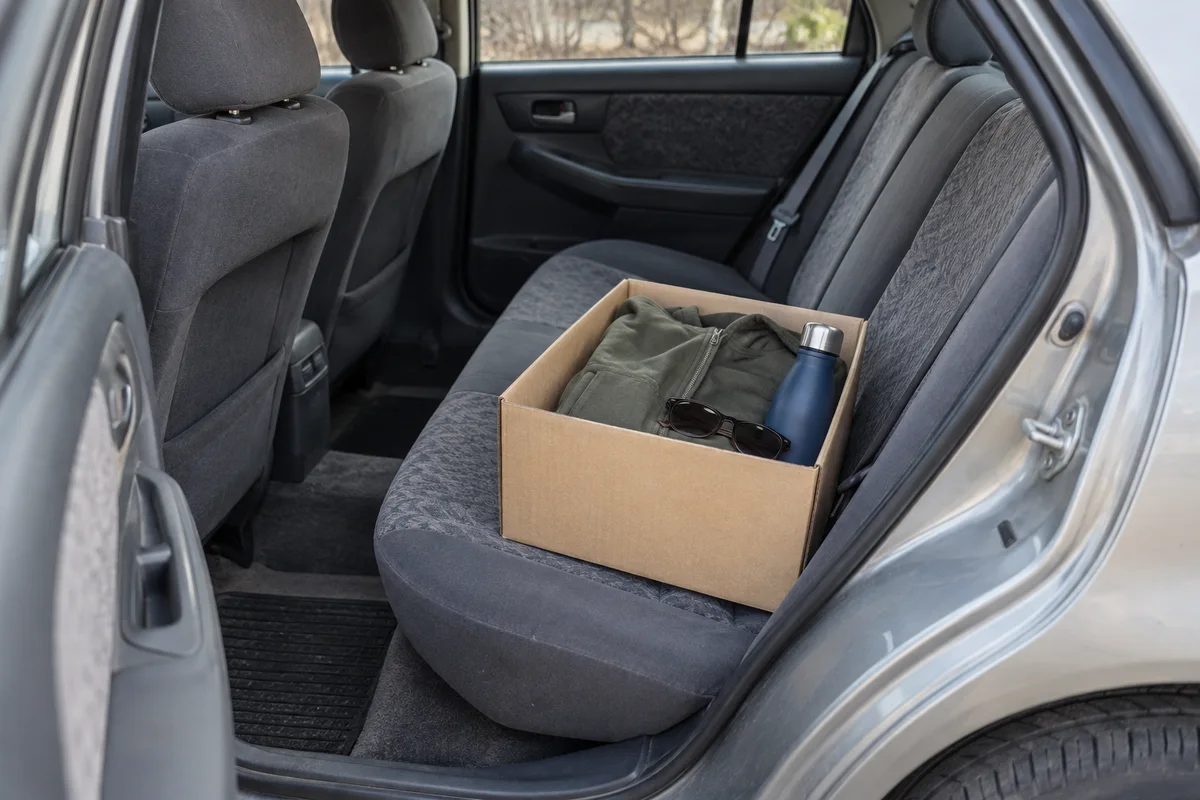
Provide the known condition and supporting records rather than assuming the battery has a fixed resale value. The complete vehicle, usable components and collection requirements need an individual assessment. A battery replacement invoice does not establish its present condition after a collision.
Prepare the VIN, odometer reading if accessible, service history and any existing battery diagnosis. State whether the battery remains installed and whether the car can roll, steer and release its parking brake. Mark an unknown detail as unknown; do not power on a damaged vehicle merely to answer the form.
Compare any repair or warranty route before making the final disposal decision. Ask the manufacturer or repairer about your specific vehicle and fault. Our repair and disposal comparison helps organize that choice without assuming scrapping is always preferable.
Should you remove the traction battery yourself?
Leave traction-battery isolation, removal and handling to personnel equipped for that vehicle. Stored electrical energy and damage can create hazards even when the car is switched off. A household battery return point is not automatically a suitable destination for a vehicle battery pack.
CCOHS’s high-voltage battery guidance emphasizes manufacturer instructions and identifies electrical, fire and handling risks. If there is smoke, unusual heat, hissing or another sign of an active battery incident, move away and contact emergency services. Do not investigate the pack or attempt repairs to prepare it for collection.
If a pack has already been removed by a specialist, tell the collector its location and condition. Confirm who will accept and transport it separately; a whole-car appointment does not automatically include a loose damaged battery.
Do whole vehicles and loose batteries use the same transport rules?
A complete vehicle and a removed battery are different transport cases. Give the carrier the actual configuration instead of assuming that a general battery-shipping instruction applies unchanged to the car.
Transport Canada’s road-vehicle guidance describes the section 1.27 exemption where its conditions are met, including installed dangerous goods needed for propulsion, operation or safety. Other requirements may still apply.
Transport Canada separately publishes battery-shipping guidance. The carrier must establish the applicable arrangements for the item and journey. This guide does not provide a packaging recipe or certify a shipment.
What changes for a ferry journey or Québec flood damage?
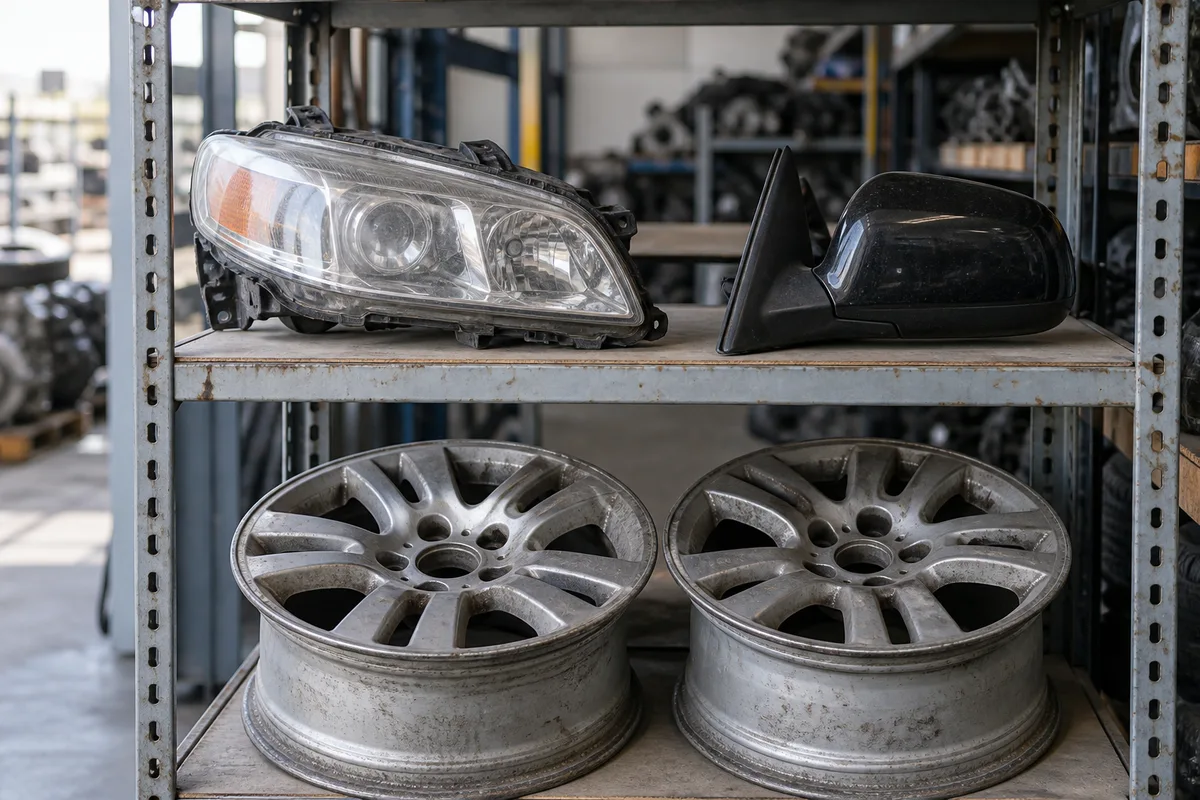
Disclose the route and damage before a collection date is confirmed. A road pickup and a ferry crossing can require different acceptance decisions. Do not assume that a booking for an undamaged vehicle covers a damaged EV.
Transport Canada explains that ferry operators assess the safety risk of damaged EVs with installed batteries, and hidden battery damage can affect acceptance. Confirm the actual operator’s decision for the journey using the damaged-EV ferry guidance. This does not establish a universal ferry surcharge or permission to transport the car.
For Québec, SAAQ’s flood-damage instructions identify criteria that can make a road vehicle irreparable. Do not start a flood-damaged car to demonstrate that it still works. Tell the insurer and collector about the exposure before arranging movement.
What paperwork and collection details remain necessary?
Complete the ownership and release checks as well as the battery assessment. Electric propulsion does not replace the seller’s documents, lender consent or insurer instructions. Use the missing-papers guide or write-off guide when either issue applies.
Describe garage clearance, a locked parking brake, missing wheels and access to the vehicle. Ask the collector to confirm the manufacturer-appropriate transport method. You do not need to dismantle or diagnose the car yourself.
Use the free calculator to request a discussion of the vehicle and its location. The inquiry does not test battery health or produce a live battery valuation. The vehicle’s condition and transport suitability must be confirmed before collection.
Your vehicle. Your decision.
Request your vehicle’s offer
Provide your vehicle details and collection location to start your inquiry.