Vehicle selling & recycling
Ways to Get Rid of an Old Car
What can you do with an old car?
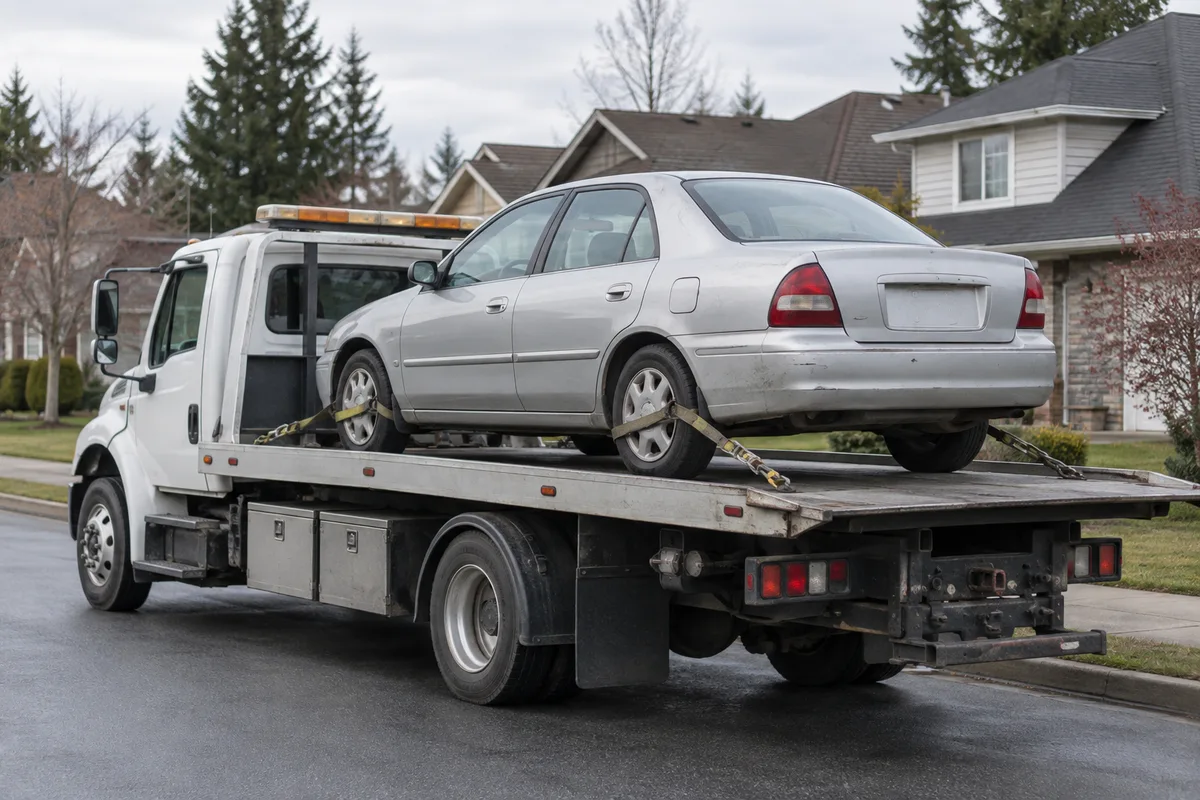
You can compare keeping and repairing it, selling it privately, requesting a vehicle purchase offer or exploring an eligible donation or recycling program. The suitable route depends on ownership, condition and your priorities. An old car does not automatically belong in the scrap stream.
On this page
When do you consider repair or a private sale?
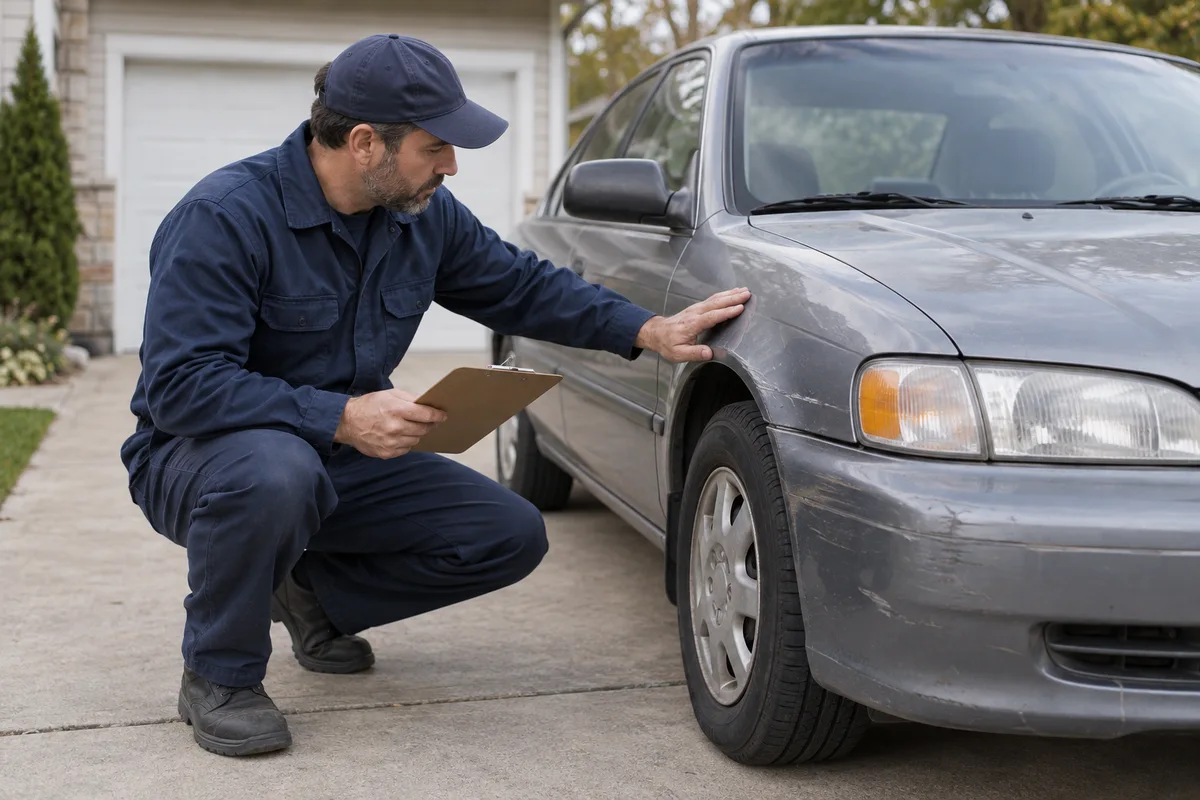
Consider repair when a reliable diagnosis and estimate give you a basis for deciding whether continued use makes sense. Consider a private sale when the vehicle has a realistic buyer and you are prepared to handle inquiries. Disclose known faults when discussing either option.
Our offer comparison guide explains how records and accurate condition information help you compare proposals.
When do you consider a collected purchase?
A collected purchase is worth comparing when moving the vehicle is difficult or you want to discuss a whole-car sale. Check the amount, included towing and inspection conditions. Cash For Cars includes free towing and cash at collection with an accepted purchase.
Use the free scrap car value calculator to request an assessment. The inquiry gives you another option to compare rather than proving that collection is always the best choice.
What do you check before donating or using a program?
Check the organization’s acceptance terms, collection arrangements and any promised benefit before releasing the vehicle. Do not assume a donation produces a particular receipt or financial outcome. Program conditions can differ from those of a normal vehicle purchase.
BC owners considering SCRAP-IT can review its separate application route. Keep the vehicle’s disposal commitment clear so that you do not promise it to two different recipients.
What remains necessary whichever route you choose?
Establish authority to release the vehicle, remove belongings, keep the disposal record and complete applicable registration and insurance steps. Our Canadian scrapping guide explains these owner tasks for a sale or recycling decision.
How do a dealer trade-in and a parts sale compare?
A dealer trade-in connects disposal of your old vehicle with another vehicle purchase. Compare the complete transaction, including any price adjustment, rather than judging the trade-in allowance alone. Ask whether the dealer accepts the car in its current condition before arranging delivery.
Selling individual parts creates separate transactions and leaves you responsible for the remaining vehicle. Compare removal costs, safe handling and the time needed to find buyers. The private sale and collected purchase comparison helps you assess the work involved.
How do you choose a route without relying only on the headline amount?
Compare the outcome and the work still required from you. A private offer, trade-in, donation and collected purchase can involve different transport and administrative tasks. Keep those differences visible before deciding that the largest advertised number is the best result.
| Route | Decision to resolve |
|---|---|
| Keep and repair | Establish the diagnosis, proposed work and usefulness of continued ownership. |
| Private sale | Decide whether you will manage inquiries, viewings and the agreed handover. |
| Collected purchase | Confirm the inspected amount and included collection arrangements. |
| Trade-in | Compare the whole replacement-vehicle transaction. |
| Donation or program | Verify acceptance, disposal instructions and any stated benefit. |
| Parts sales | Plan removal, storage, individual buyers and the remaining shell. |
What if you are not yet sure whether the car is worth repairing?
Get a clear description of the fault before treating disposal as the only option. A repair estimate can identify the proposed work and uncertainties. Compare that information with an offer for the vehicle as it stands rather than assuming age alone settles the decision.
Keep spending already incurred separate from future spending you are considering. Earlier repairs do not guarantee a matching resale increase. Explain what is known and what has not been diagnosed when approaching a buyer.
What prevents an otherwise straightforward disposal?
An unresolved ownership or release question can delay any route. A car at a workshop needs the business’s release arrangements, while an estate or finance agreement can require a different authorization question. Establish the issue before committing the vehicle to a recipient.
Do not promise the same car to a buyer and a donation program at the same time. Once the route is chosen, confirm the collection or delivery and keep the completed record. The appropriate provincial process remains necessary whichever commercial option you prefer.
Which specialist guide helps with the next decision?
The donation-versus-sale guide compares payment, collection and receipt limitations. For an electric vehicle, the EV and hybrid guide adds battery and transport questions.
Should you check for a recall before choosing disposal?
Check the vehicle’s recall information and obtain a diagnosis before assuming that an expensive fault makes disposal the only sensible choice. A recall notice and a repair estimate answer different questions. A listed recall does not prove that it caused the current problem or that every proposed repair is covered.
Use Transport Canada’s recall resources to reach the recall database and manufacturer VIN lookup options. Ask the manufacturer or dealer whether the specific VIN is affected, whether the repair is outstanding and what remedy or interim instructions apply.
| Check | What you ask |
|---|---|
| Recall applicability | Does this VIN have an outstanding recall, and has the work already been recorded as completed? |
| Repair diagnosis | Which fault is confirmed, and which further work is only proposed? |
| Remedy and timing | What work is covered, what costs remain and when could it be done? |
| Continued use | Do the recall instructions restrict driving or require another precaution while you wait? |
| Disposal comparison | How does the remaining cost and usefulness compare with an actual offer for the car as it stands? |
Follow the applicable recall instructions rather than driving a vehicle simply to obtain a quote. Keep confirmed coverage separate from a hoped-for repair benefit. If you still prefer a sale, disclose the known faults and compare the proposals in the offer worksheet.
Your vehicle. Your decision.
Request your vehicle’s offer
Provide your vehicle details and collection location to start your inquiry.