Vehicle selling & recycling
Should You Donate or Sell an Old Car in Canada?
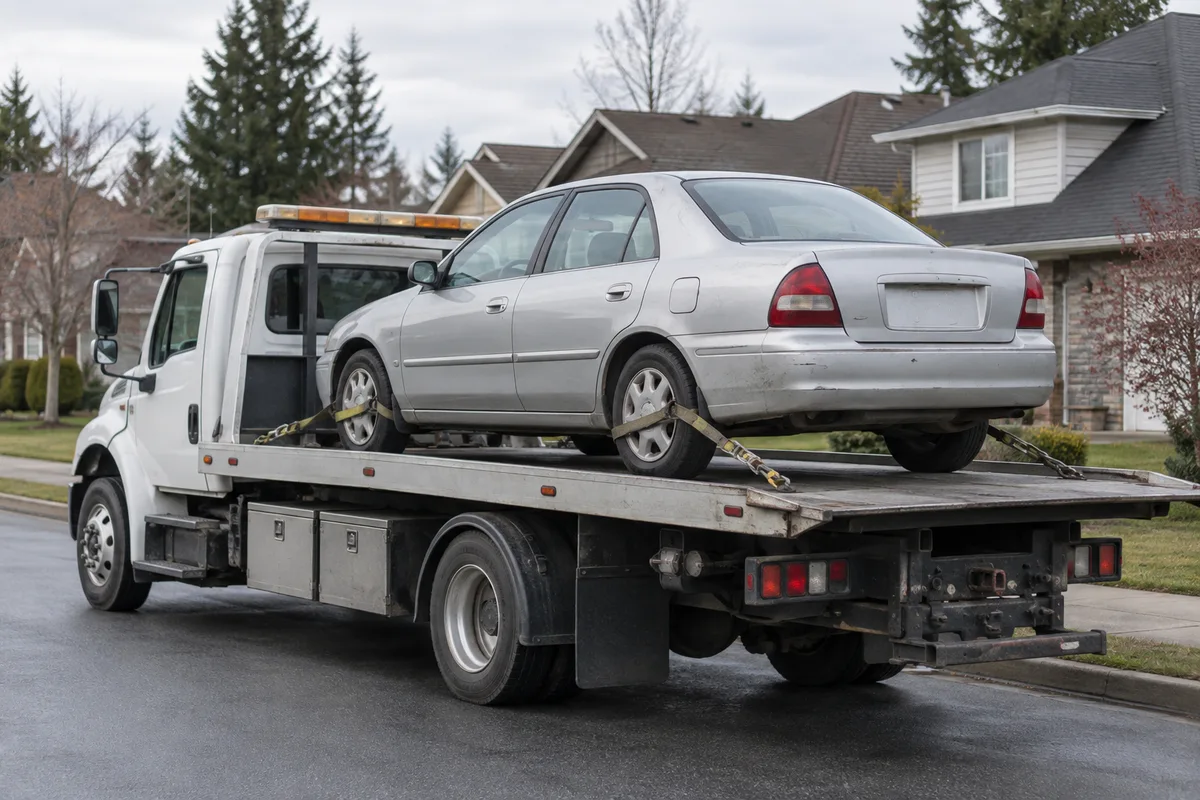
Selling an old car provides the agreed purchase payment, while donating it supports the receiving organization under its acceptance and receipting terms. Compare the actual collection, paperwork and financial outcome before choosing. A donation receipt is not the same as cash paid for the car.
Which option fits your priority?
Compare a confirmed sale with a specific donation program, rather than comparing two headline amounts. The best choice depends on your vehicle, the cause you want to support and the arrangements available at its location. Neither route removes ownership or finance questions.
| Question | Sale | Donation |
|---|---|---|
| What do you receive? | You receive the agreed purchase payment. | You may receive an eligible official donation receipt under the organization’s terms. |
| Who accepts the vehicle? | A buyer assesses it for the proposed purchase. | The receiving program applies its acceptance criteria. |
| How is collection arranged? | Confirm the included services and conditions. | Confirm who collects it and whether any costs affect the arrangement. |
| What documents matter? | Keep the sale and provincial transfer records. | Keep the donation, transfer and any receipting records. |
| What remains uncertain initially? | Inspection can affect an offer. | Acceptance, receipt eligibility and receipt value need confirmation. |
A repairable car may also justify a private-sale or repair comparison. Our old-car options guide covers those alternatives.
How do you check the receiving charity?
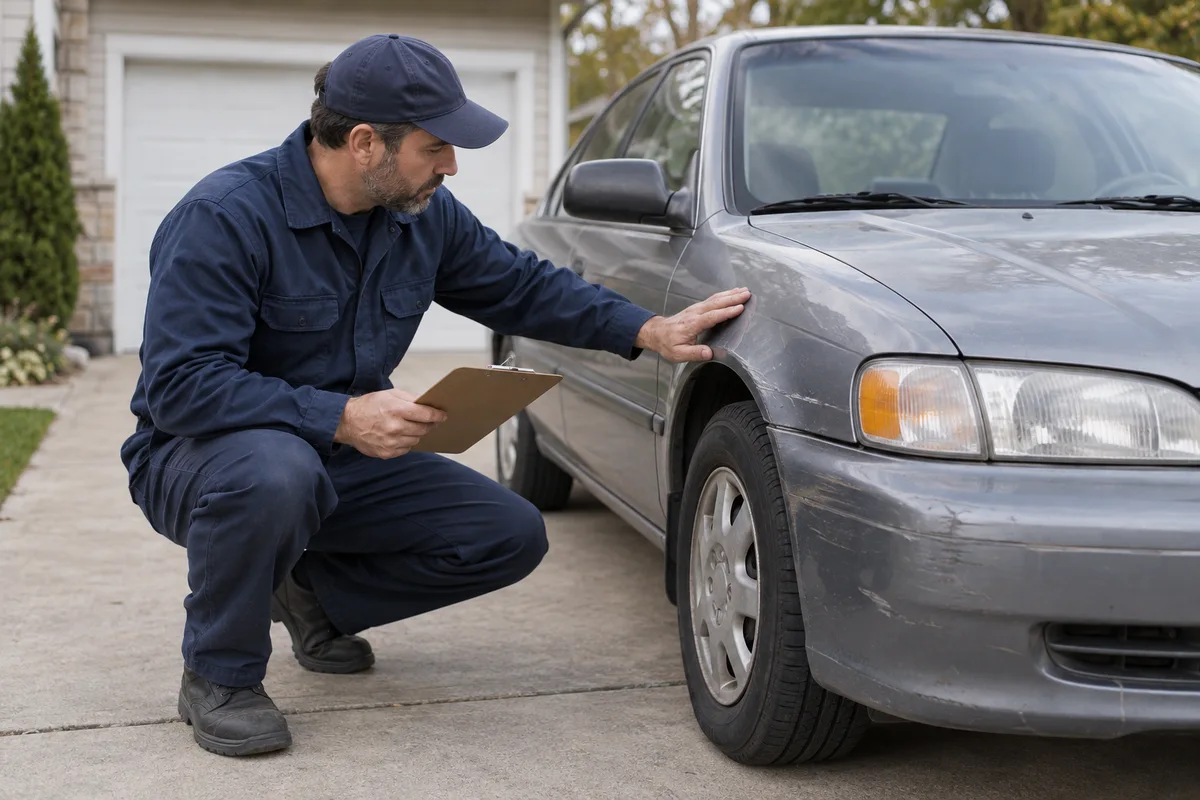
Identify the organization that will receive the gift and issue any official receipt. A collection business and a registered charity may have different roles. Ask for the charity’s legal name rather than relying only on a donation program’s advertising.
CRA explains how to check a charity’s registration status through its charity-information service. Only eligible registered charities and other qualified donees can issue official receipts for charitable tax claims. A charitable-sounding name does not establish that eligibility.
Before releasing the vehicle, ask who signs the transaction document, who handles collection and who answers questions about the receipt. Confirm the process with the named organization through its official contact details.
Does the receipt equal the car’s advertised value?
The receipt must follow the applicable donation rules, not an online vehicle-price example. For a non-cash gift, the charity is responsible for an accurate valuation. The amount cannot be assumed from the car’s original price, a repair invoice or a hypothetical scrap range.
CRA’s non-cash gift valuation guidance explains fair market value and the treatment of advantages received by the donor. If the necessary value cannot be determined, an official receipt cannot be issued. Special valuation rules can also apply.
Ask the organization how it establishes the eligible amount and when it can confirm it. CRA’s receipting guidance provides the underlying framework. Do not treat an estimated receipt as a guaranteed refund or dollar-for-dollar tax saving.
Which questions help compare real arrangements?
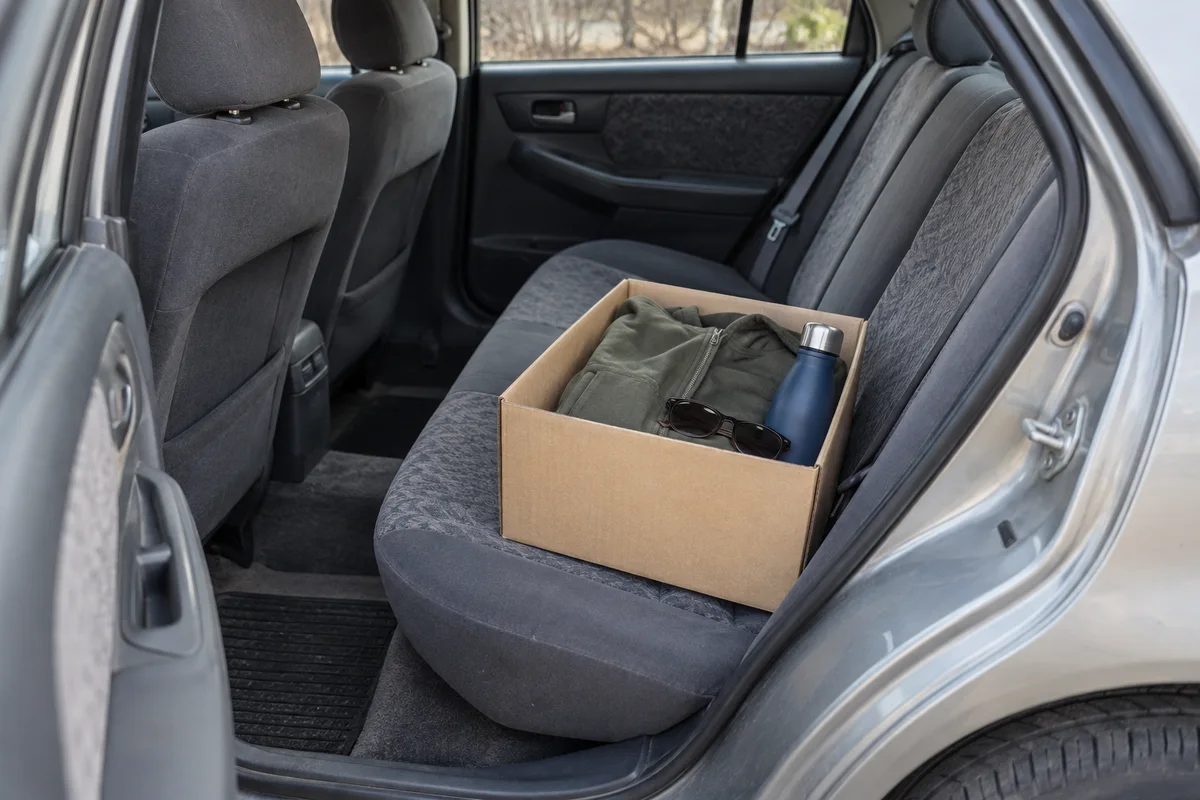
Get the same practical details from the buyer and donation program before deciding. Give both the same description of the vehicle so differences in condition or access do not distort the comparison.
Use this comparison checklist:
- Confirm whether the vehicle and collection address are accepted.
- Explain missing parts, non-starting condition and any fire, flood or battery damage.
- Ask whether towing is included and whether any deductions apply.
- Confirm who completes the ownership and registration steps.
- Ask which amount is confirmed and which remains an estimate.
- Record the collection conditions and the contact responsible for follow-up.
A hypothetical CAD 700 purchase offer and a CAD 1,000 donation receipt are not directly comparable as cash outcomes. The first is a proposed payment; the second is a receipt amount whose tax effect depends on the applicable rules and donor’s circumstances. This example does not estimate your tax result.
How do provincial paperwork rules affect donation?
Use the actual donation or sale route for the vehicle’s registration jurisdiction. A donation does not make a missing ownership record, loan or estate issue disappear. Confirm the recipient and transaction before applying a private-sale checklist.
In Québec, SAAQ describes a receipt from a recycler or foundation followed by the owner’s discarding action. That differs from the dealer-recycler attestation route. Use the Québec disposal guide and SAAQ’s instructions to identify the result.
Ontario lists a UVIP exception for a qualifying donation to a religious, charitable or benevolent organization. Check the conditions in the official UVIP guidance; do not extend the exception to every business offering collection for a cause.
For BC, Alberta and Saskatchewan, use the provincial guide directory to prepare the relevant ownership record and follow-up. Confirm any program-specific documents with the receiving organization.
What should you do before the vehicle leaves?
Resolve ownership, agree on the arrangement and retain the completed records. Check the vehicle identity and recipient before signing. Keep the contact details needed for payment, receipt or registration questions after collection.
Use the inherited-car guide for an estate and the lien guide for finance. Remove accessible belongings and personal information without dismantling the car.
If you prefer to compare a purchase, request an assessment through the free scrap car value calculator. Its examples do not set a donation value. An accepted purchase includes free towing and cash on the spot after inspection and agreement.
Your vehicle. Your decision.
Request your vehicle’s offer
Provide your vehicle details and collection location to start your inquiry.