Cash For Cars · Canada
Junk Car Removal in Canada
Can you sell a junk car that no longer drives?
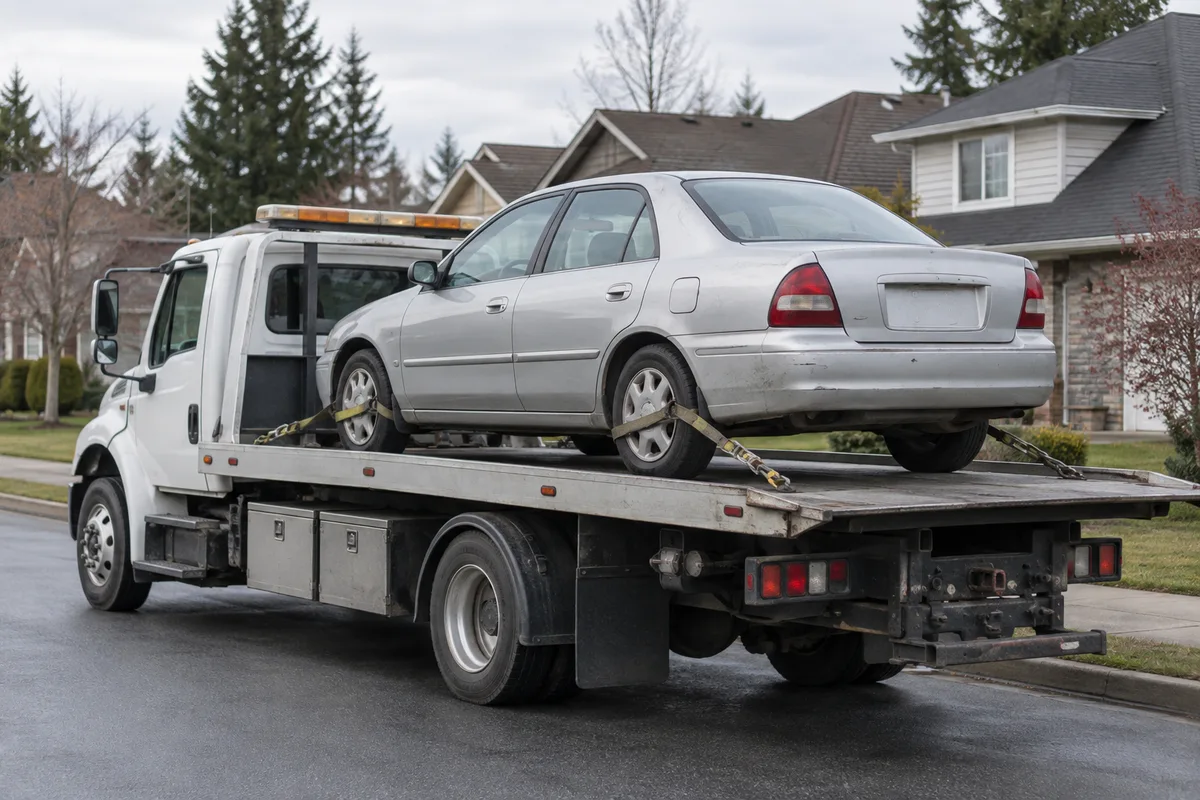
You can request an offer for a junk car that no longer starts or drives. Describe the fault, missing parts and collection location. Cash For Cars assesses the inquiry and contacts you by phone or email to discuss an offer and possible pickup.
The term “junk car” describes an unwanted or unusable vehicle in everyday language. It does not establish a legal registration status or prove that the vehicle has no value. Condition and completeness matter more than the label used in an advertisement.
What details help with a junk car assessment?
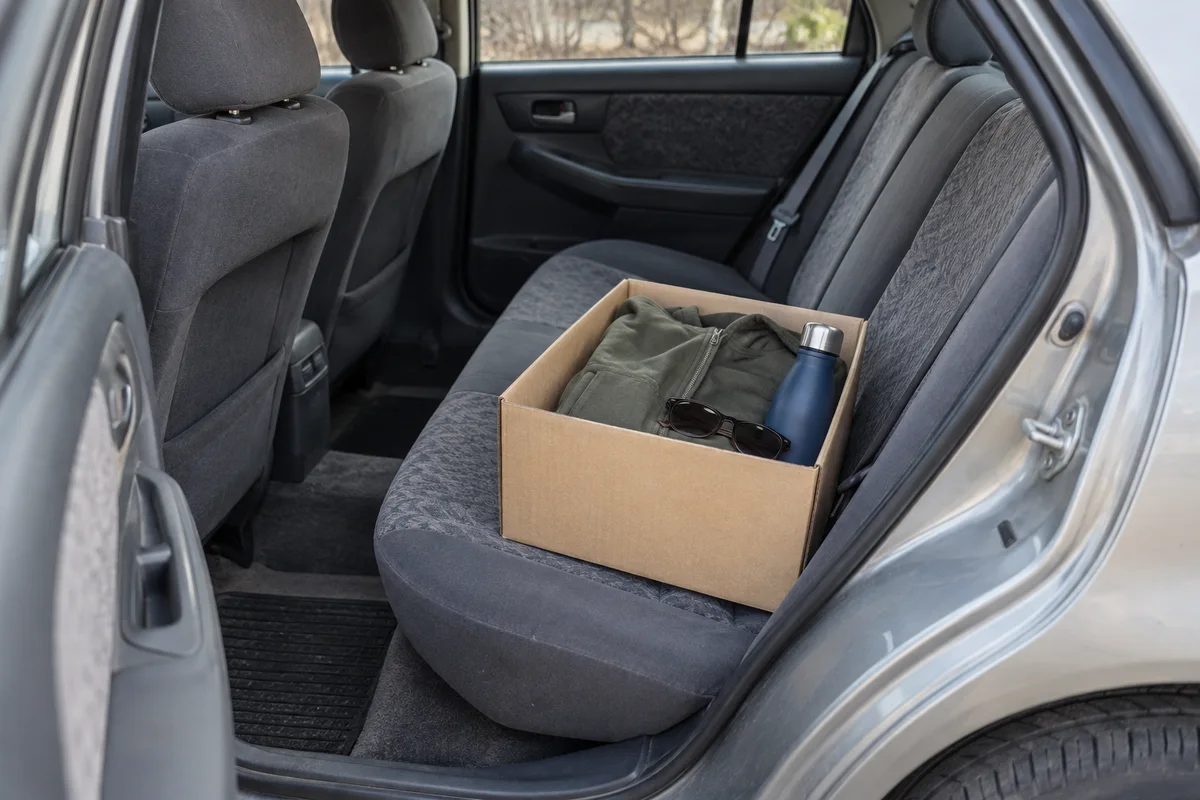
Provide the year, make, model and known condition. State whether the car starts, rolls and steers, and list missing components. Explain where it is parked and who can release it. These details help separate the assessment of the vehicle from its collection requirements.
A car with a failed engine can still have intact wheels and accessible steering. A stripped vehicle with no wheels presents a different pickup task. Describe the actual situation without guessing what a component will fetch on its own.
How do you check a junk car buyer?
Check the business name, contact details and proposed sale terms before accepting an offer. Read recent reviews and ask what towing and payment arrangements are included. Keep the written offer and review the confirmed amount before agreeing to release the vehicle.
Does junk car removal include towing?
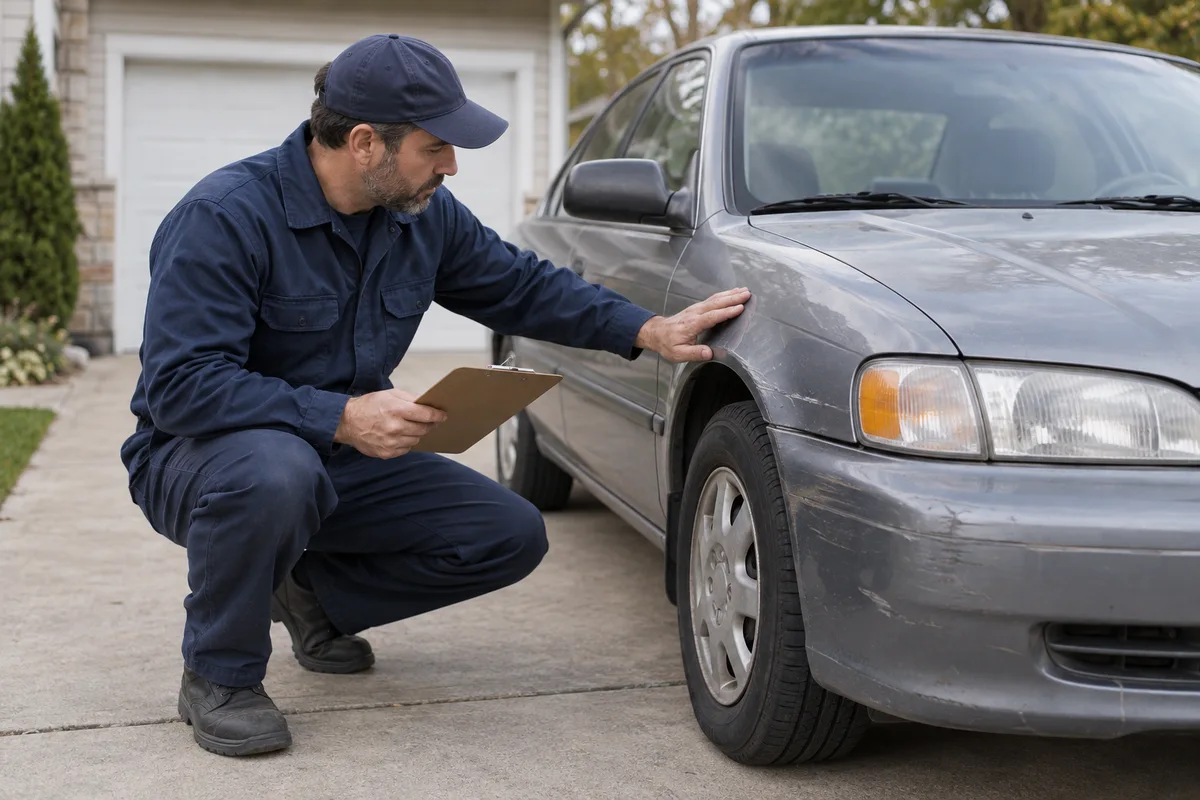
Free towing is included with an accepted Cash For Cars purchase. You agree the collection arrangements after reviewing the offer. At the visit, the vehicle is inspected and the purchase amount is confirmed before you decide to complete the sale and receive cash.
Ask about access before booking. Restricted garage clearance, an obstructed driveway or a locked gate can affect collection. Same-day pickup is often available in our five served provinces, subject to the address and available appointments.
Can you sell a car without all its documents?
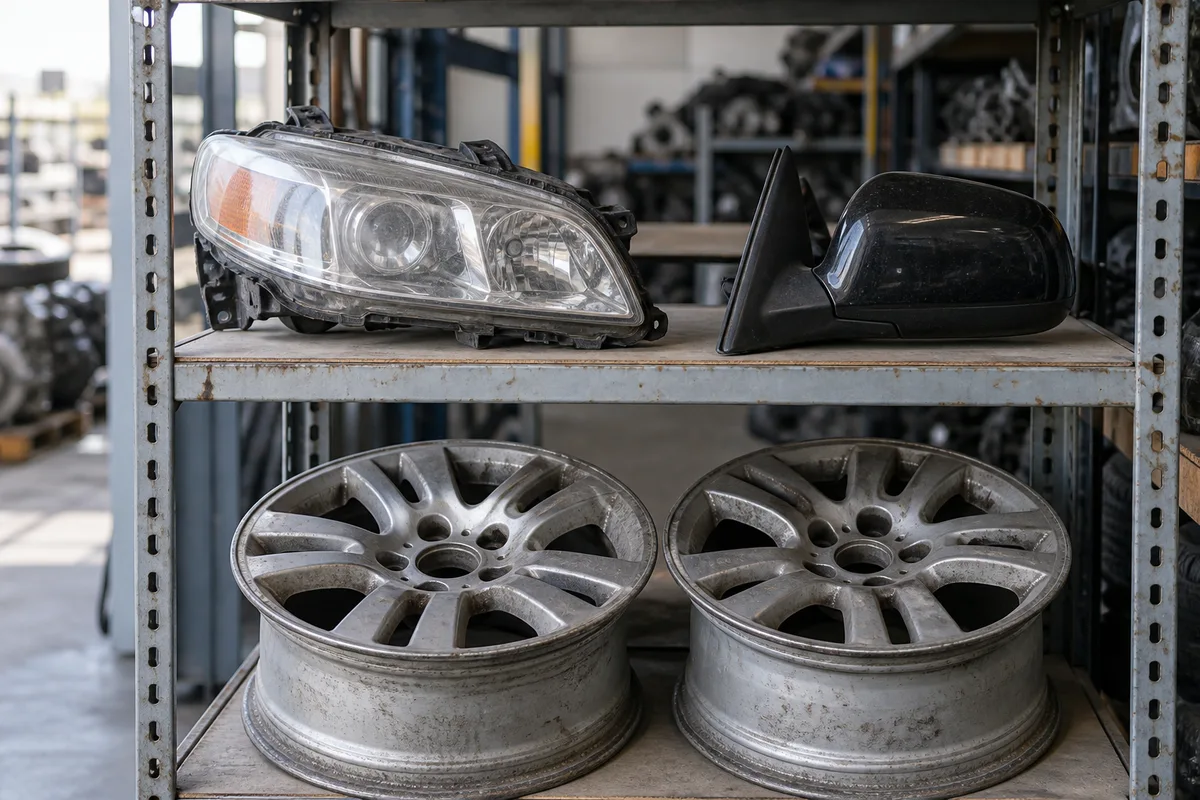
Tell us which documents are missing before arranging collection. The ability to sell depends on ownership and the applicable provincial process, not simply on whether the car is old or broken. Resolve the authority to sell before agreeing a handover.
Read how to scrap a car in Canada for provincial starting points. Do not offer an abandoned vehicle for sale solely because it is parked on your property.
How can you request an offer for your junk car?
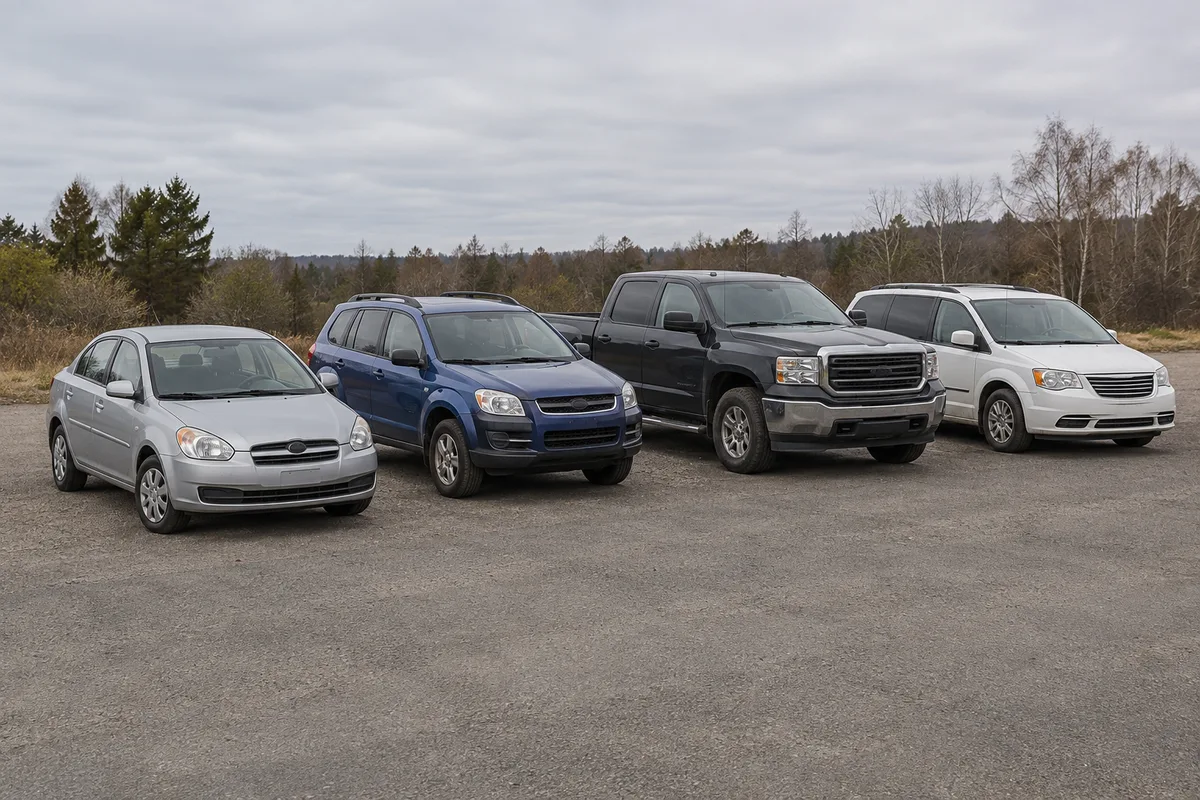
Use the free scrap car value calculator to send the vehicle details and your preferred contact information. The form starts a human assessment and does not display a fixed price. You can compare the resulting offer before deciding whether to sell.
Our junk car and scrap car comparison explains how the terms relate to condition, reuse and recycling.
Your vehicle. Your decision.
Request your vehicle’s offer
Provide your vehicle details and collection location to start your inquiry.