Vehicle selling & recycling
Junk Car vs Scrap Car: What Is the Difference?
How do junk cars and scrap cars differ?
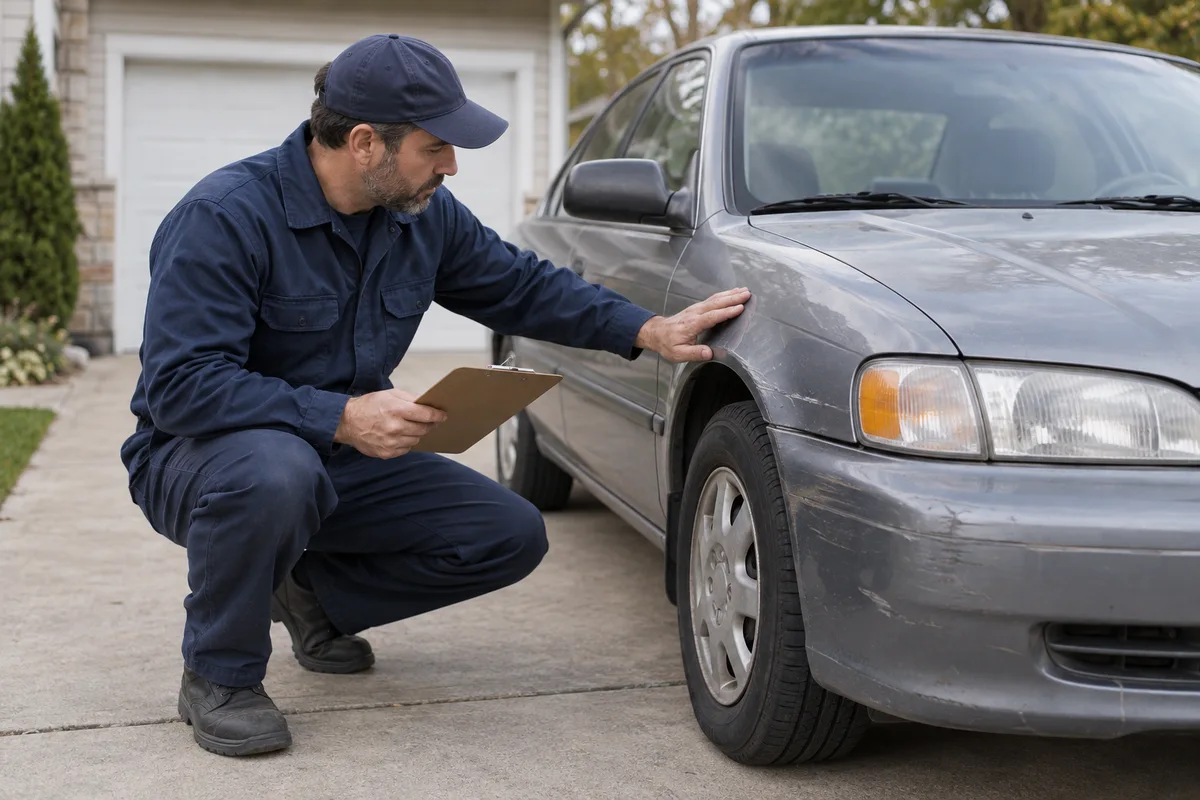
“Junk car” usually describes an unwanted or unusable vehicle, while “scrap car” emphasizes recycling and material recovery. The terms overlap in everyday use. Neither label tells a buyer the complete condition, establishes a registration status or determines what the vehicle is worth.
| Question | Junk car description | Scrap car description |
|---|---|---|
| What does the label emphasize? | The owner no longer wants or uses the vehicle. | The vehicle is being considered for recovery or recycling. |
| Can components remain useful? | Their condition determines potential reuse. | Their condition determines potential reuse. |
| Does the label establish a price? | An actual assessment is required. | An actual assessment is required. |
On this page
Which description do you use when requesting an offer?
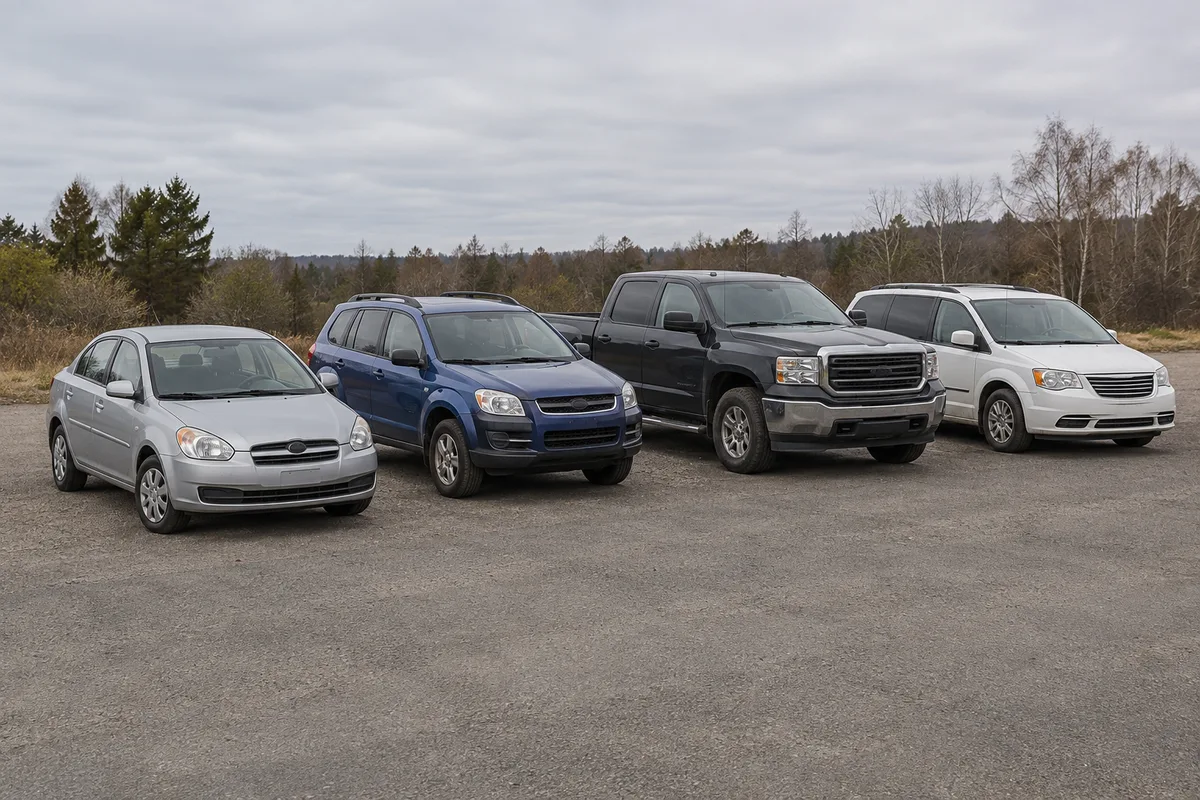
Describe the vehicle’s actual condition rather than trying to choose the most profitable label. State whether it starts, rolls and steers. List known damage and missing parts. The year, make, model and collection address provide information that either informal label leaves out.
Use junk car removal for an unwanted or non-running vehicle inquiry. Use scrap car removal when you are considering disposal and recycling. Both service pages lead to the same vehicle assessment process.
Is a written-off vehicle automatically a scrap car?
A write-off is an insurance decision, while the appropriate disposal route depends on the vehicle and the applicable process. Do not assume that an informal “junk” label gives permission to sell. Resolve the claim and authority to release the vehicle before arranging collection.
Read what vehicle salvage value means to distinguish an insurance-related assessment from a purchase offer. You can request an offer through the free scrap car value calculator once you have established that you can sell.
Which facts make the informal label less important?
Starting condition, completeness and access explain more than the word “junk” or “scrap.” State the known fault, the parts remaining and where the car stands. Tell the buyer when a detail is uncertain rather than choosing a label that implies more knowledge than you have.
| Owner’s description | Useful clarification |
|---|---|
| The car is junk. | Explain the fault or damage that makes it unwanted. |
| The car is only scrap. | Identify missing parts and any known condition of remaining components. |
| The car is a write-off. | Explain the claim status and who can authorize release. |
| The car has been stored. | Describe keys, wheel movement and access at its current location. |
These clarifications help assess the same physical vehicle. Changing the advertisement’s wording does not restore missing components or establish a higher amount.
Can a car described as junk still be considered for repair?
The repair decision depends on a diagnosis and the intended use, not the informal label. A repairer can explain the work involved, and a buyer can assess the car in its present condition. Compare those options before making an irreversible disposal decision.
A car that appears complete is not automatically safe or economical to repair. Equally, age alone does not prove that recycling is its only possible route. The old-car options guide helps you compare the tasks involved.
Do these terms change which documents you need?
An informal description does not replace the applicable ownership and disposal process. Identify the registered owner and explain a missing record, finance agreement or open claim before handover. The province-specific guide covers the relevant starting point.
Keep the buyer’s completed record even when the car will not return to the road. A receipt for a physical collection and confirmation of a registration action can answer different questions, so establish what remains for you to do.
Your vehicle. Your decision.
Request your vehicle’s offer
Provide your vehicle details and collection location to start your inquiry.