Vehicle selling & recycling
How to Scrap a Car in Saskatchewan
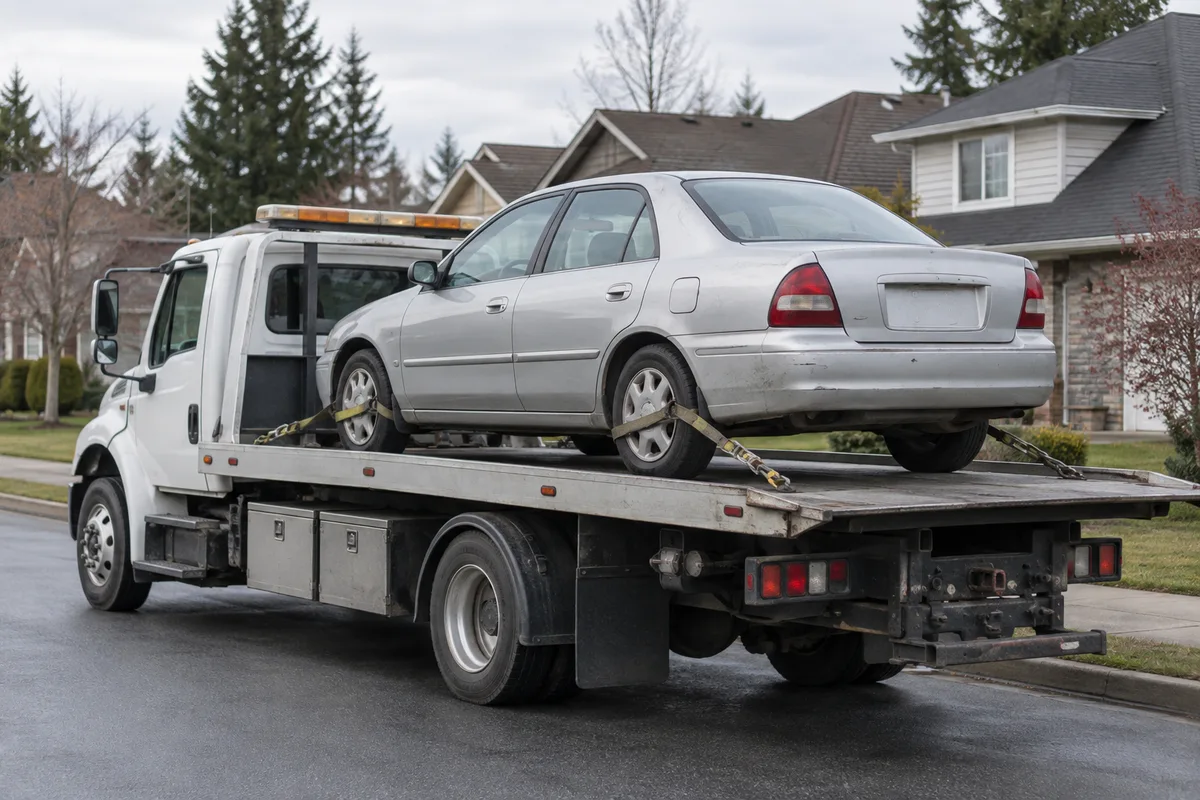
Start a Saskatchewan scrap-car sale by confirming ownership, gathering the sale record and describing the vehicle’s condition and collection address. Check SGI claim instructions before releasing an insured write-off. Finish the relevant plate, registration and insurance actions after the agreed transaction.
What information do you gather first?
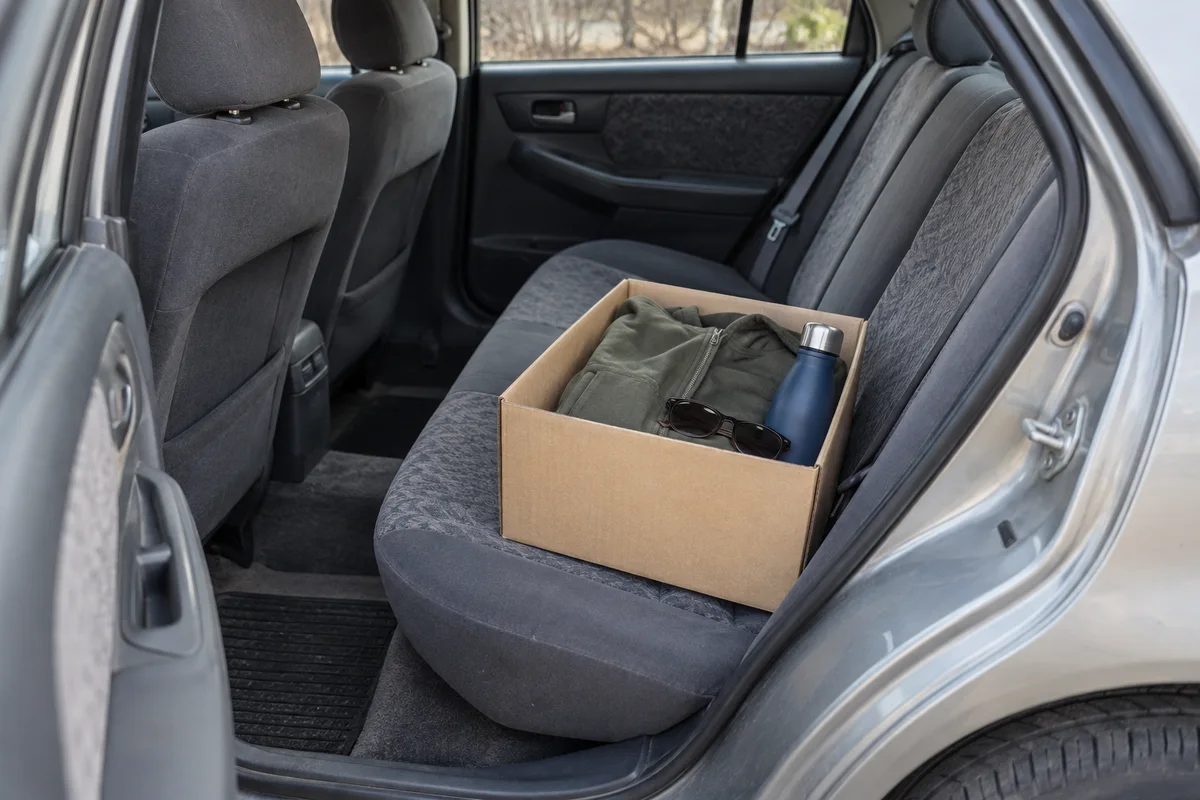
Gather the vehicle identity, condition and ownership details before arranging collection. An accurate description helps the buyer assess the actual car and its loading requirements. It also exposes paperwork questions early enough to resolve them before the vehicle leaves.
Have the year, make, model, VIN and registration information available. Describe starting problems, collision damage and removed components. State whether the car rolls and steers and whether keys are available. Explain a missing record or an active finance agreement at the beginning.
Use the free scrap car value calculator to request a phone or email discussion. The form does not display an instant offer. Its hypothetical ranges are educational examples, not Saskatchewan market averages or guaranteed payments.
Which ownership document does SGI describe?
Prepare the Transfer of Ownership document or an appropriate bill of sale for the transaction. SGI’s guidance identifies ownership evidence and explains the seller’s plate responsibilities. Confirm the recycling transaction with a motor licence issuer when the vehicle’s records or status require clarification. SGI’s ownership guidance provides the starting point.
SGI also supplies a Bill of Sale/Letter of Gift form. For a purchase, select the sale option and check these fields:
| Form field | What you enter or check |
|---|---|
| Seller | Enter the full name and address. |
| Vehicle | Match the year, make, model and VIN to the vehicle. |
| Purchaser | Enter the buyer’s full legal name. |
| Transaction | Record the purchase date and actual amount paid. |
| Signatures | Both parties sign the completed record. |
Keep your copy of the completed document. The form records the sale; it does not resolve an undisclosed lien or authorize someone to sell an estate vehicle. Its road-registration notes should not be treated as a requirement to make a scrap car roadworthy before towing.
What if you cannot find the registration paper?
Check whether the document is missing or the vehicle was never registered in your name. Printing an available record can address the first problem. It cannot settle a disputed owner or an incomplete earlier transfer.
- Check whether the registration is available through your MySGI account.
- If the record is unavailable or incorrect, give a motor licence issuer the VIN and explain the ownership history.
- Ask which transfer evidence is acceptable for the intended recycling sale and which signatures are needed.
- Confirm the paperwork before agreeing to the vehicle’s release.
SGI lists registration printing among individual MySGI transactions. Historical, cancelled or exceptional records may need issuer assistance. Keep the records you already hold available and tell the buyer which issue remains unresolved.
The missing-ownership guide helps distinguish a lost document from an unfinished transfer.
How do you handle finance or someone else's ownership interest?
Establish the authorized seller and any required lender release before handover. The car’s condition does not determine who may sell it. Identify the issue before choosing the document route.
| Situation | Who should be involved? | What should you confirm before release? |
|---|---|---|
| A loan or registered interest exists. | Contact the lender and review the relevant registry record. | Confirm the payout, consent or discharge arrangements. |
| The registered owner has died. | Involve the estate representative and a motor licence issuer. | Ask which estate authority documents and signatures support this sale. |
| More than one owner is recorded. | Involve the recorded owners and issuer. | Confirm the signatures or authorizations needed for the transaction. |
| A company owns the vehicle. | Involve the company’s authorized representative. | Confirm who can sign on the company’s behalf. |
| The vehicle is leased. | Contact the lessor. | Confirm whether and how the vehicle may be released. |
The Saskatchewan Personal Property Registry provides searches for registered interests. A search and a lender’s discharge are separate steps. Keep any release arrangement with the sale record.
For an exceptional ownership case, tell the issuer whether the proposed recipient is a purchaser, beneficiary or surviving owner. Ask whether originals or certified copies are needed before arranging the visit. Do not assume that cancelling a deceased person’s licence or accessing an online account authorizes the vehicle sale.
Use the lien and lease guide for creditor release and the inherited-car guide for estate authority.
What changes if SGI considers the car a total loss?
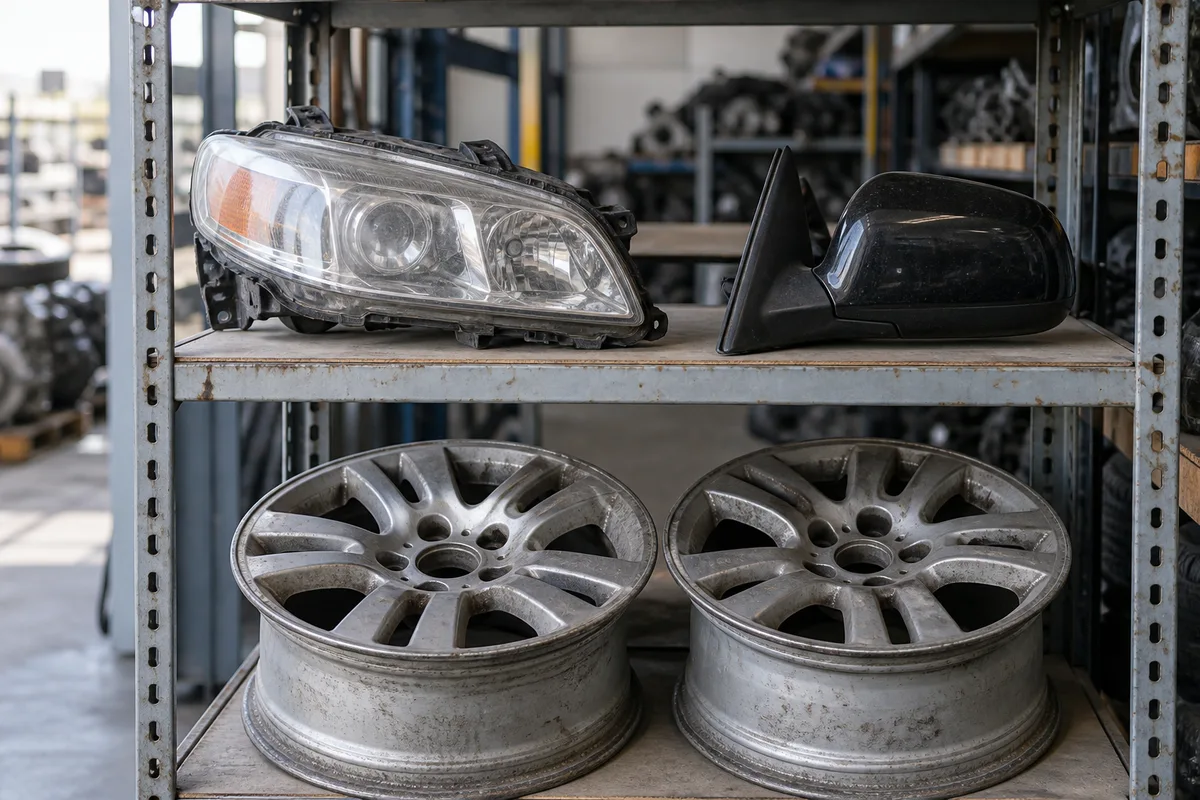
Follow the claim instructions before considering a separate purchase. A total-loss assessment concerns the insurance claim, while a scrap offer concerns a purchase. Establish who owns the vehicle after settlement and whether you have an option to retain or release it.
SGI’s total-loss information explains the assessment context. Ask the claim representative whether inspection or other claim work is outstanding. Record the answer before arranging an independent tow or removing parts that may be relevant to the assessment.
Our salvage-value guide explains the financial term. A salvage value is not the same thing as a promise that a damaged vehicle is roadworthy.
The vehicle-status guide compares registration labels, while the write-off guide covers claim ownership and release.
Does a damaged vehicle need an inspection before disposal?
Separate road-use inspection from collection for recycling. A vehicle that someone wants to register and drive can have requirements that do not answer the disposal question. Describe the known vehicle status and intended use when asking which procedure applies.
SGI’s vehicle inspection programs cover the relevant road-use processes. Do not drive an unsafe car to a buyer simply because a sale has been discussed. Arrange the appropriate transport for the vehicle’s condition and confirm who is handling it.
If the vehicle has fire, flood or battery damage, disclose that information before collection. The collector needs the actual condition, not just the description “non-runner.” Leave hazardous component handling to appropriately equipped personnel.
How do you prepare a Saskatchewan collection location?
Give the exact location and describe access to the vehicle. A city address, an acreage and a repair-shop yard present different practical questions. Tell the collector where the car sits and what prevents a straightforward approach or loading operation.
- Describe the driveway or yard surface and any current access restriction.
- Identify a locked gate, narrow opening or vehicle blocking the approach.
- Explain whether the wheels turn and whether steering is locked.
- Arrange permission to enter when a property manager or shop controls access.
- Keep the contact person available for the agreed collection discussion.
For an acreage, distinguish the mailing address from the actual place where the car is parked. Do not assume that a nearby town’s appointment availability applies to the property. The Saskatchewan service hub links to city information, and the final schedule is confirmed for the actual location.
What do you confirm about the offer and payment?
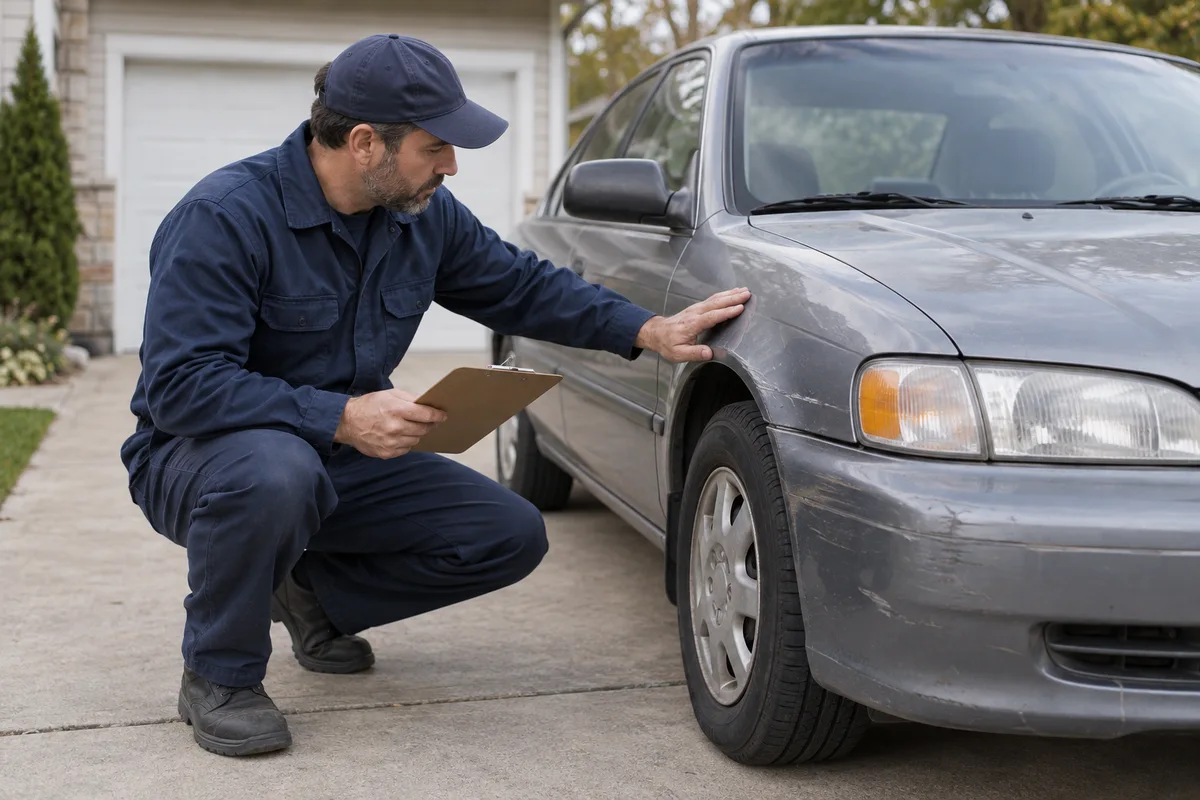
Confirm the amount, inspection conditions and collection terms before you complete the purchase. Two offers are only comparable when they describe the same car and included services. Explain changed condition or removed parts before the appointment.
Cash For Cars includes free towing and cash on the spot with an accepted purchase after inspection and agreement. Same-day pickup is often available, subject to location, access and scheduling. You choose whether to proceed with the confirmed purchase amount.
The value-factors guide explains why weight alone does not establish the offer. A complete vehicle and a stripped shell need different assessments even when their make and model match.
What do you do after the sale?
Keep the completed record and arrange the applicable registration and insurance follow-up. Removing the vehicle does not substitute for those actions. Retain enough information to identify the transaction if a later payment, ownership or collection question arises.
MySGI supports registration cancellation, with different access conditions for individual, co-owner and company accounts. Use the route that fits your account, and keep the confirmation. Ask your insurer or issuer how cancellation or transfer affects the coverage you hold rather than assuming every policy ends with pickup.
Our insurance follow-up guide and pre-scrapping checklist explain the related practical tasks.
Your vehicle. Your decision.
Request your vehicle’s offer
Provide your vehicle details and collection location to start your inquiry.