Vehicle selling & recycling
Scrap Car Removal or a Private Sale: Five Points to Compare
Is a removal service better than a private sale?
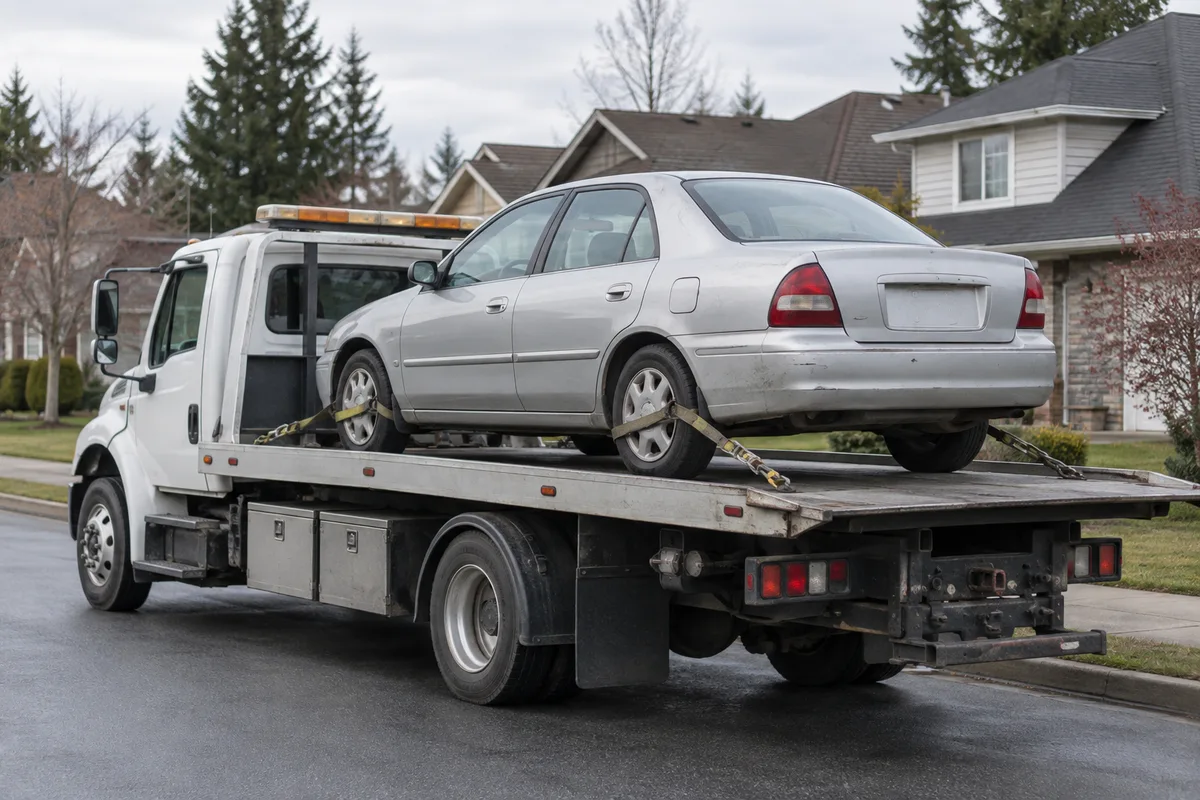
The better route depends on the vehicle and the work you are willing to handle. A usable car may attract a private buyer. A damaged or non-running car may make collection more important. Compare likely proceeds, transport, time, inspections and handover arrangements before choosing.
On this page
How do the five practical differences compare?
| Decision | Private sale | Vehicle removal service |
|---|---|---|
| Proceeds | A buyer makes an offer for the vehicle’s intended use. | The offer follows the buyer’s assessment of the vehicle. |
| Transport | You and the buyer agree who moves the car. | Cash For Cars includes free towing with an accepted purchase. |
| Time | You arrange advertising, inquiries and viewings. | You submit details and discuss an offer and collection. |
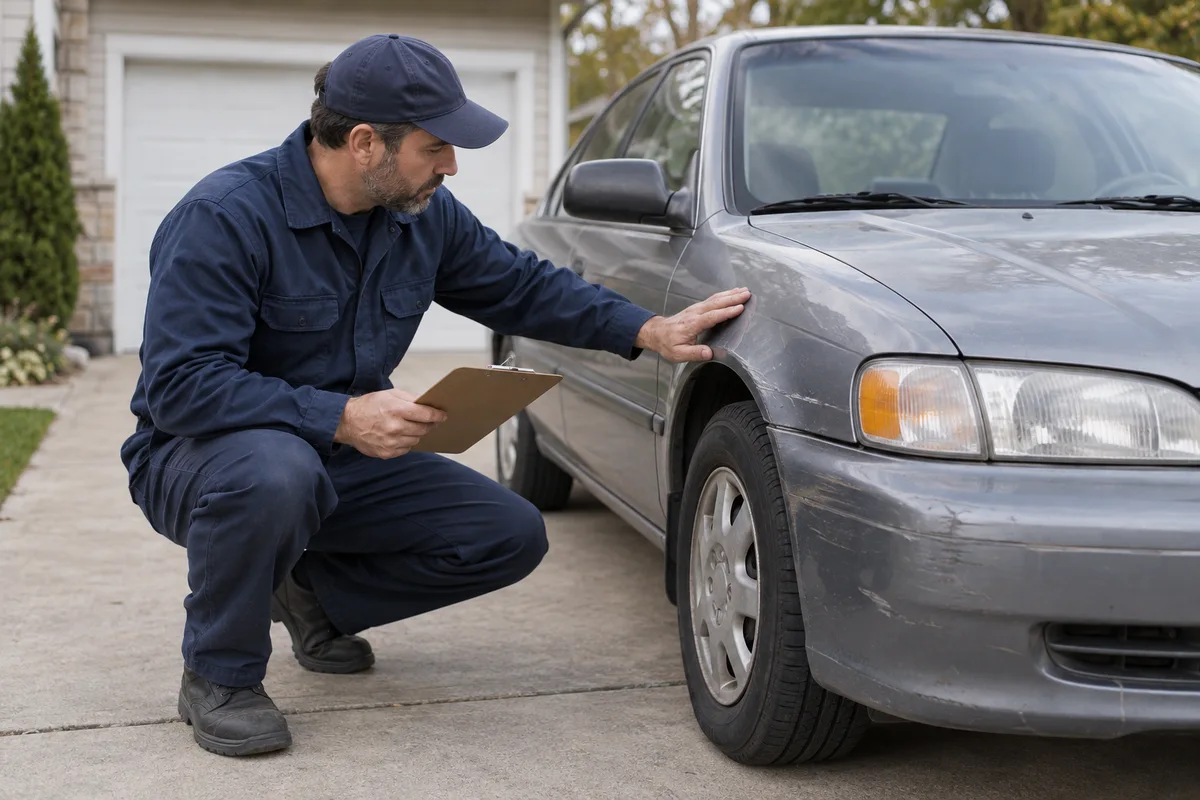
| Inspection | You agree safe viewing and inspection arrangements. | The inspected condition is confirmed before the purchase. |
| Handover | You check payment, documents and vehicle release. | You check payment, documents and vehicle release. |
The table compares tasks rather than guaranteeing that one route pays more. Include any actual advertising, storage or transport costs when considering what each option would leave you with.
How do you compare payment and collection terms?
Ask each buyer to confirm the proposed amount and what it includes. Establish the payment method and collection responsibility before handover. Keep the condition description consistent so a complete-car offer is not compared with an offer for a stripped or differently described vehicle.
Avoid releasing the vehicle before you understand and accept the transaction. Check buyer details and retain a completed sale record. Read how to scrap a car in Canada for the owner’s preparation steps.
When is a whole-car sale simpler than selling parts?
A whole-car sale can reduce the need to dismantle, advertise, store and deliver individual components. Separate parts sales also leave the remaining shell to dispose of. Compare realistic proceeds and those tasks instead of adding retail asking prices and treating the total as guaranteed income.
Use the free scrap car value calculator to request a whole-vehicle assessment. You can review the offer without assuming that it is automatically better than a private sale.
How do you compare the work before a buyer commits?
List the tasks you would handle under each route before choosing. Private inquiries can involve photographs, messages and viewings; a collected purchase needs an accurate description and access coordination. Neither route removes the need to identify the buyer and complete the paperwork.
Ask who arranges transport when the car cannot be driven. A private buyer may propose collection, and a removal service still needs access information. Compare the actual proposal rather than assuming that the service label settles every practical detail.
What does a useful condition description include for either route?
State the known faults, missing components and vehicle mobility consistently. Explain whether the car starts, rolls and steers, and identify the actual pickup location. A buyer expecting a complete car is assessing something different from a shell with wheels removed.
Keep a diagnosis separate from a guess. A repair invoice can show work performed, but it does not guarantee the entire vehicle’s condition or add its full cost to an offer. Update every buyer still considering the car if the description changes.
How do you decide whether separate parts sales fit your situation?
Consider the remaining shell and the work required for each component sale. Storage, removal, compatibility questions and unsold items all affect the decision. An advertised retail part price does not show the amount you will receive or how soon a sale will happen.
Compare a whole-car offer before dismantling. Removing components changes that offer’s assumptions and can change collection requirements. Do not commit to a complete-vehicle sale while separately selling parts that the buyer expects to receive.
What remains the same at handover?
You still confirm the accepted amount, vehicle identification and completed record. Establish authority to release the car and retain your copy of the sale. Property access and any repair-shop release remain separate arrangements where they apply.
Finish the relevant provincial registration and insurance tasks after the transaction. Convenience can influence the route you choose, but it does not replace those owner responsibilities or guarantee a higher purchase amount.
Your vehicle. Your decision.
Request your vehicle’s offer
Provide your vehicle details and collection location to start your inquiry.