Cash For Cars Canada
Canada ยท Vehicle Salvage Value ยท Insurance Write-Off Guide

What Is Vehicle Salvage Value? How It's Calculated

Salvage value is the estimated worth of a vehicle that's been declared a total loss โ€” typically calculated by insurers when settling write-off claims. It determines part of what you're paid after a write-off, and it differs from scrap value, market value, and what a recycler might offer.

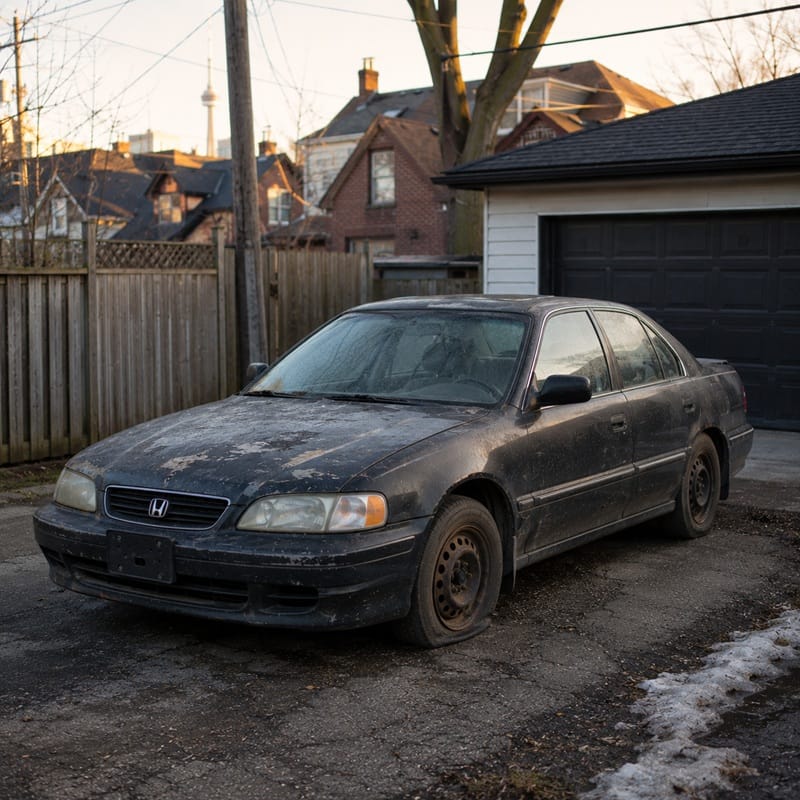
Damaged vehicle used to explain vehicle salvage value in Canada
Insurance value, not scrap value Salvage value is usually assigned during a total-loss claim. Scrap and junk car buyers calculate offers differently, based on condition, weight, and recoverable parts.
Clear definition
Total-loss context
Value comparison
Cash estimate link
Short Answer

The Short Answer

Salvage value is the estimated worth of a damaged or end-of-life vehicle, most often calculated by insurance companies when settling a total-loss claim. It represents what the vehicle is reasonably worth in its current damaged state โ€” typically a percentage of its pre-loss market value, adjusted for damage severity. Salvage value differs from scrap value (which reflects metal weight) and from market value (which reflects an undamaged equivalent vehicle on the open market).

Insurance Context

Who Calculates Salvage Value, and When Does It Apply?

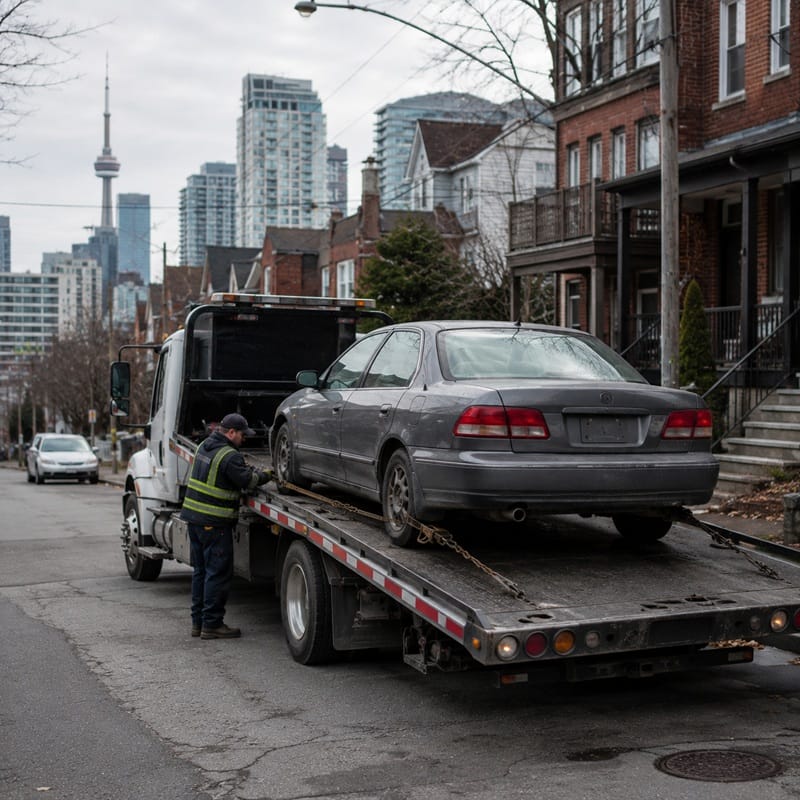
Vehicle removal truck collecting a damaged vehicle with salvage value

Insurance companies use salvage value to calculate what a damaged vehicle is still worth after a collision or total-loss declaration.

When a vehicle is declared a total loss โ€” typically because the cost of repair would exceed a threshold percentage of the vehicle's pre-loss value โ€” the insurer calculates the vehicle's remaining worth in its damaged state. In Canada, this calculation happens under both public and private insurance systems: ICBC handles total-loss claims in British Columbia, SGI in Saskatchewan, and MPI in Manitoba, while private insurers handle claims in Ontario, Alberta, Quebec, and the Atlantic provinces. Methodology varies between insurers and between provinces.

Dealerships and auto auctions also calculate salvage value โ€” pricing trade-ins on damaged vehicles or bidding on insurance-released salvage at auctions like Copart or IAA. And vehicle owners selling a damaged vehicle privately use salvage value as a reference point for what to expect.
Calculation

How Salvage Value Is Calculated

There isn't one universal salvage value formula โ€” different insurers and assessors use different methodologies. The most common approaches share four inputs.

STEP 01

Establish pre-loss market value

What was the vehicle worth in its pre-damage condition? Insurers reference Canadian Black Book, vehicle pricing databases, and comparable sales for the same year, make, model, and trim, then adjust for the specific vehicle's pre-loss condition. This figure becomes the anchor for everything that follows.

STEP 02

Estimate cost of repair

The damage is assessed and a repair cost is estimated. If repair cost exceeds a threshold, commonly 70โ€“80% of pre-loss value, the vehicle is declared a total loss. The exact threshold varies by insurer and province.

STEP 03

Assess what remains

What is still intact and recoverable? Engine, transmission, drivetrain components, undamaged body panels, intact electronics, alloy wheels, and an intact catalytic converter all add salvage value. Severe frame damage subtracts.

STEP 04

Apply a salvage percentage or auction-reference estimate

Some insurers apply a calculated percentage of pre-loss value, commonly in the 20โ€“40% range depending on damage type and remaining components. Others reference what comparable salvage vehicles have recently sold for at insurance auctions.

The resulting figure is what's used in the settlement. Owners on a "retained salvage" or "cash and keep" settlement receive the insurance payment minus that salvage value, then sell the vehicle separately if they choose.

Value Comparison

Salvage Value vs Scrap Value vs Market Value: What's the Difference?

Salvage value is what an insurer assigns to a damaged vehicle in its current condition; scrap value is what a recycler assigns to a vehicle for its recoverable metal weight; market value is what an undamaged equivalent sells for on the open market.

Market Value

What an undamaged vehicle sells for

Market value is what an undamaged version of the same vehicle โ€” same year, make, model, mileage, trim โ€” is currently selling for on the open market. It is used in private sales, trade-in valuations on running vehicles, and as the starting reference point for salvage value calculations.

Salvage Value

What a damaged vehicle is worth now

Salvage value is what a specific damaged or total-loss vehicle is worth in its current condition. It is calculated most often by insurers, and also by assessors and auction bidders. Salvage value is always lower than market value because it reflects damage severity and what remains recoverable.

Scrap Value

What the recoverable metal is worth

Scrap value is what a vehicle is worth for its recoverable metal weight, regardless of remaining functional components. Scrap metal recyclers calculate scrap value based on weight and current steel prices, plus high-value components like a catalytic converter or alloy wheels.

A vehicle with frame damage but an intact engine might carry low salvage value while still holding moderate scrap or junk value. For owners selling to a scrap or junk car buyer like Cash For Cars, the relevant number is often closer to scrap or junk value than to the insurer-assigned salvage value. The salvage-vs-scrap/junk distinction is covered in more depth in the junk car vs scrap car guide.

Selling Context

What Salvage Value Means When You Sell Your Vehicle

For most vehicle owners, salvage value matters in one of two situations. The first: you've had a write-off claim and the insurer has assigned a salvage value as part of settling your claim. The second: you're selling a damaged or end-of-life vehicle directly to a scrap, junk, or parts buyer, and you want a reference point for what to expect.
If your insurer has already calculated salvage value and you're keeping the vehicle on a "cash and keep" settlement, you can sell that salvage vehicle separately. In some cases โ€” particularly when the vehicle has an intact catalytic converter, a running engine, or other high-demand parts โ€” what a scrap or junk car buyer like Cash For Cars pays can match or exceed the insurer-assigned salvage value. The reverse is also common: on newer vehicles, the insurer's salvage value can reflect the higher pre-loss market value and exceed what a scrap buyer will pay.

The simplest way to compare is to get a scrap or junk car estimate based on actual condition. The scrap and junk car value calculator returns a range you can compare against the insurer's salvage figure โ€” or use as a standalone reference if no insurance claim is involved.

FAQ

Frequently Asked Questions About Salvage Value

Common salvage value questions, answered clearly for Canadian vehicle owners comparing insurance value, scrap value, junk value, and market value.

What is salvage value, in simple terms?
Salvage value is what a damaged or total-loss vehicle is worth in its current condition. It's most commonly calculated by insurance companies when settling write-off claims, but the term also applies when selling damaged vehicles to dealers, recyclers, or scrap and junk car buyers. The figure reflects damage severity and what remains recoverable on the vehicle.
Is salvage value the same as scrap value?
No. Scrap value is what a vehicle is worth for its recoverable metal weight only. Salvage value typically includes recoverable functional components and reflects damage-adjusted percentages โ€” it's usually higher than scrap value, though not always. A vehicle with strong parts demand can have scrap or junk value matching, or even exceeding, the insurer-assigned salvage value.
Who calculates salvage value in Canada?
Most commonly: insurance companies. ICBC handles total-loss claims in BC, SGI in Saskatchewan, and MPI in Manitoba; private insurers handle claims in Ontario, Alberta, Quebec, and the Atlantic provinces. Dealerships, auction operators such as Copart and IAA, and assessors also calculate salvage value in specific contexts. Methodology varies between insurers and between provinces.
Can I sell my vehicle for more than the salvage value the insurer assigned?
Sometimes, yes. Particularly when the vehicle has intact high-value parts โ€” engine, catalytic converter, transmission, alloy wheels โ€” that a scrap or junk car buyer prices for. On newer vehicles, the insurer's salvage value may reflect a higher pre-loss market value and is harder to match selling privately. Comparing both figures before deciding is sensible.
What's a "cash and keep" or "retained salvage" settlement?
It's a settlement option where the owner keeps the damaged vehicle and receives the insurance payment minus the assigned salvage value. The owner can then sell the salvage vehicle separately โ€” to a scrap or junk car buyer, a parts buyer, or someone willing to repair it. Specifics vary by insurer and claim; consult your insurer for what's available on your claim.
Does salvage value affect a scrap car offer?
Only indirectly. A scrap or junk car buyer calculates an offer based on the vehicle's specific condition, weight, and remaining components โ€” not on the insurer's salvage figure. The insurer's salvage value is a useful reference point, not a price ceiling or floor for what a scrap or junk car buyer will pay.
Does a salvage designation mean the vehicle must be scrapped?
No. In Canada, "salvage" is one of several insurance branding designations โ€” alongside "irreparable," "rebuilt," and "non-repairable" โ€” and the exact terms vary by province. A vehicle with a salvage designation may be repaired and re-registered after passing a provincial inspection, used for parts, or sold to a scrap or junk car buyer. An "irreparable" or "non-repairable" designation generally rules out re-registration.
Cash Value Estimate

Get a Cash Value Estimate for Your Vehicle

Whether your vehicle has been declared a total loss or you're selling it directly, the scrap and junk car value calculator returns an estimate based on actual condition and components โ€” useful as a reference next to any insurer-assigned salvage value.

menucross-circle