Vehicle selling & recycling
What Is Vehicle Salvage Value?
What does salvage value mean for a vehicle?
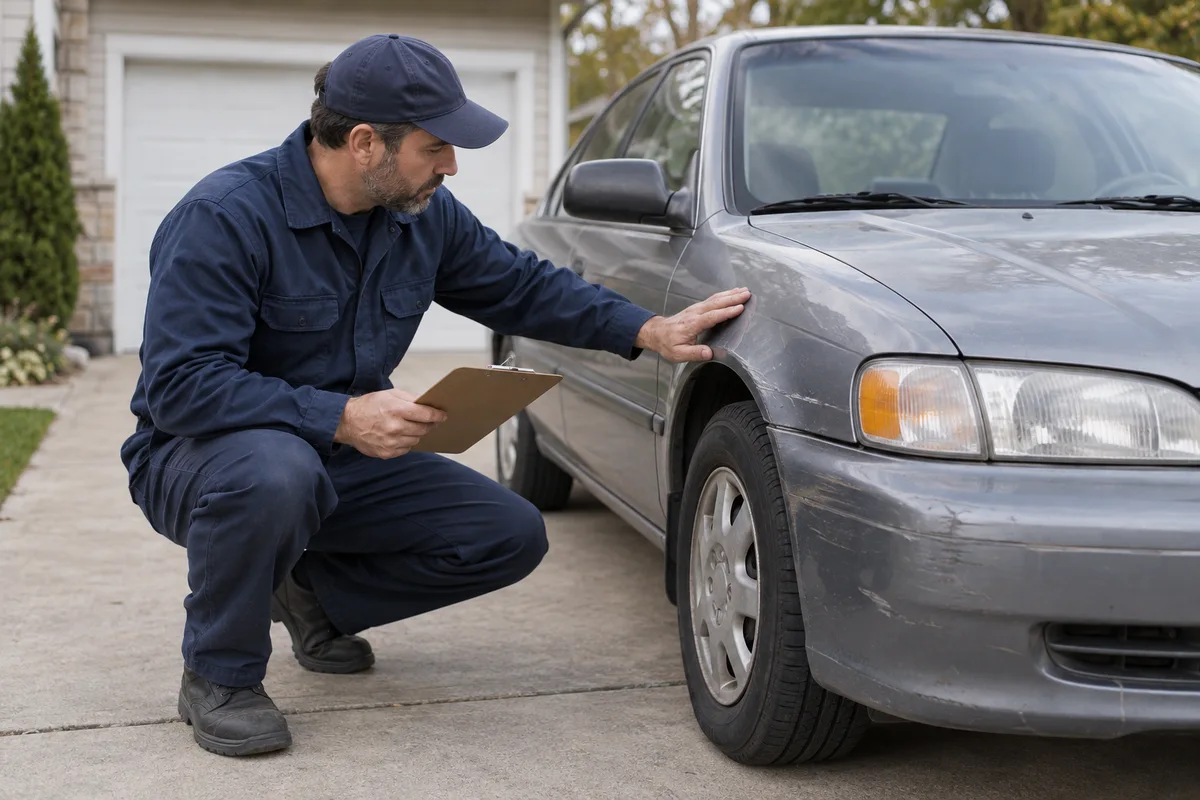
Salvage value describes the remaining value recoverable from a vehicle after damage or at the end of its intended use. The relevant value depends on the purpose of the assessment. An insurance salvage assessment and a buyer’s purchase offer are different decisions.
On this page
Is salvage value the same as scrap value?
Salvage value can reflect recoverable components or other permitted uses, while a material-based scrap assessment focuses on recoverable material. Everyday advertisements use the terms loosely. Ask what a figure includes before comparing it with another assessment of the same vehicle.
Read how scrap car value is calculated for a labelled material example. The example does not establish an insurer’s settlement or a resale value.
Can you calculate salvage value as a fixed percentage?
A fixed percentage cannot reliably value every damaged vehicle. Model, damage, completeness, demand and the assessment’s purpose differ between vehicles. A percentage example is only an assumption unless the person making an actual offer or decision explains why it applies to your car.
Do not subtract a made-up salvage percentage from a vehicle’s advertised retail price and treat the result as an insurance entitlement. Ask the insurer for the basis of its own assessment and the options available under the claim.
Can you sell a vehicle during an insurance claim?
Establish who has authority over the vehicle before agreeing a sale or collection during a claim. Ask the insurer whether any settlement or release decision affects ownership. A purchase inquiry does not give you permission to sell a vehicle controlled by another party.
BC owners can read the ICBC write-off guide for questions to ask. Owners who are free to sell can request a vehicle assessment through the free scrap car value calculator.
Which vehicle values are you comparing?
Compare figures that describe the same vehicle and assessment purpose. An undamaged vehicle’s market value, a damaged vehicle’s salvage assessment and a material illustration answer different questions. The following distinctions help you ask what each amount represents before making a disposal decision.
| Value | What the figure describes | What you need to check |
|---|---|---|
| Pre-loss market value | The vehicle before the loss | The insurer’s valuation basis and claim terms |
| Salvage assessment | The damaged vehicle in its assessed condition | Ownership, permitted use and the assessment’s purpose |
| Scrap material illustration | Assumed recoverable material at an assumed rate | Weight, material mix and the hypothetical rate |
| Purchase offer | A buyer’s proposed amount for your vehicle | Condition, inspection and collection terms |
Why do a repair estimate and salvage value answer different questions?
A repair estimate describes proposed work; salvage value describes a remaining asset for a particular purpose. Subtracting the repair estimate from an advertised undamaged-car price does not automatically produce a buyer’s offer or an insurer’s figure.
The estimate may cover one diagnosed fault while other condition questions remain. A salvage assessment also needs the vehicle’s present completeness and the use being considered. Ask what each number measures before combining them in a calculation.
How do missing components affect the comparison?
Missing components change the vehicle available for recovery or reuse. An assessment for a complete car cannot be assumed to apply after an engine, transmission or wheels are removed. Explain those changes before a buyer confirms collection.
Do not add advertised retail prices for used parts to a whole-car material example. Asking prices do not show completed sales, and a component cannot be counted both as separately removed material and as part of an unchanged full-vehicle weight. Keep the assumptions consistent.
What do you record before accepting a salvage purchase?
Record the assessed vehicle, buyer, agreed amount and collection conditions. Confirm that you have authority to release it and identify anything still subject to inspection. The completed record should describe the actual transaction rather than an earlier hypothetical figure.
- Check the vehicle identification against the records available.
- Describe known damage and components no longer present.
- Confirm the location and any business release arrangement.
- Retain the completed purchase record and relevant correspondence.
Does salvage value tell you whether the car can return to the road?
A value figure does not establish permission for road use. Vehicle status and the applicable inspection or registration process answer that question. Ask the relevant authority about the recorded status rather than treating a buyer’s interest as confirmation that rebuilding is permitted.
The provincial scrapping guides connect the ownership and vehicle-status questions. Resolve those questions before choosing between a permitted repair route and a disposal purchase.
Which specialist guide helps with the next decision?
For the legal classification, use the salvage, rebuilt and irreparable comparison. That guide explains road-use status separately from financial salvage value.
Your vehicle. Your decision.
Request your vehicle’s offer
Provide your vehicle details and collection location to start your inquiry.