
Vehicle selling & recycling
How Scrap Car Value Is Calculated in Canada
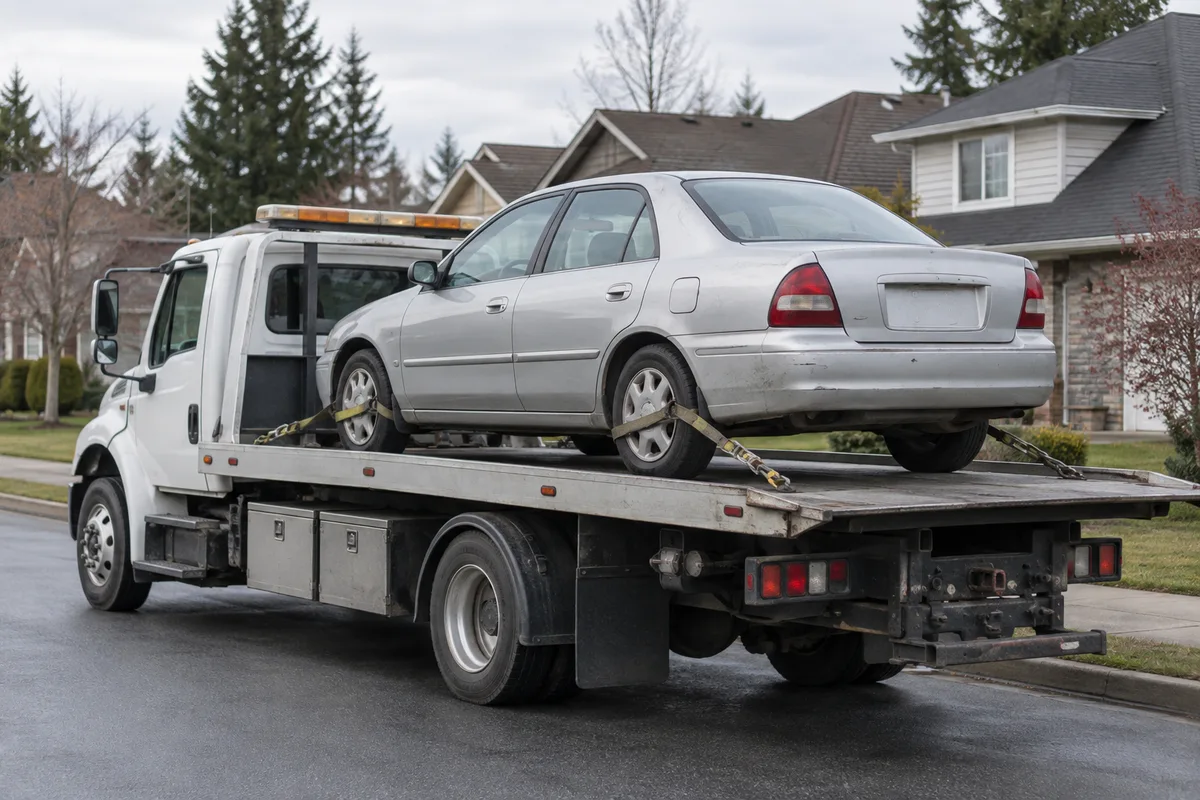
A scrap-car assessment considers recoverable material, potentially usable components, condition and collection. A weight calculation can illustrate one part of that assessment, but it cannot produce a reliable purchase amount without knowing the actual vehicle and the buyer’s terms.
What does a scrap-value calculation explain?
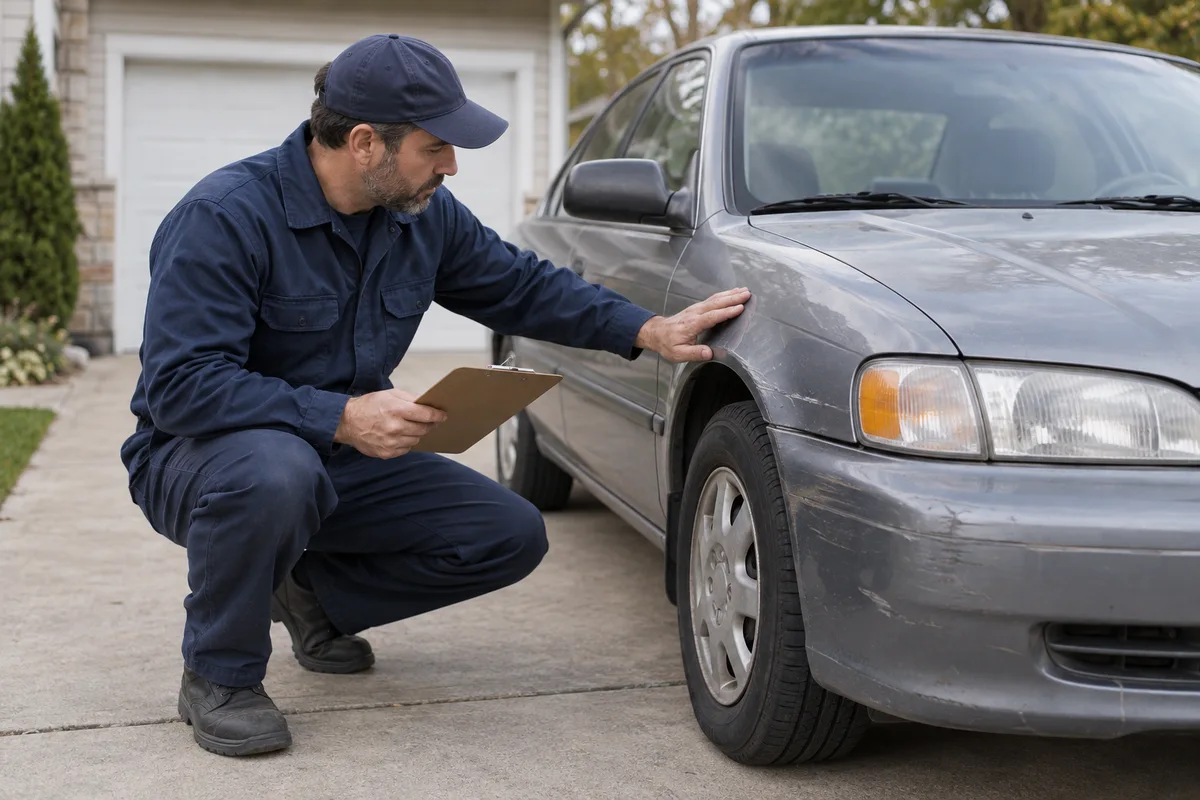
A calculation shows how chosen inputs produce a result. Its usefulness depends on what those inputs represent and whether they are verified or hypothetical. A clear formula with assumed numbers is still an illustration, not an offer for your car.
The free scrap car value calculator collects vehicle details for an offer discussion. It does not run a live-market pricing formula or return an instant price. You receive a phone call or email to discuss an assessment, and the purchase amount is confirmed before you decide to sell.
How does a hypothetical material calculation work?
Multiply an assumed recoverable material quantity by an assumed rate in the same unit. The result is an illustrative material subtotal. It does not account for every component, the vehicle’s actual condition or the specific collection arrangement.
| Illustrative input | Assumption |
|---|---|
| Material quantity | 1.2 metric tonnes |
| Rate | CAD 200 per metric tonne |
| Material subtotal | CAD 240 |
The arithmetic is 1.2 × CAD 200 = CAD 240. Both inputs are invented for explanation. The 1.2 tonnes is not a verified metal weight for a particular model, and CAD 200 is not presented as a current Canadian buying rate.
This example retains one subtotal so the relationship is easy to follow. It does not imply that a buyer must offer CAD 240 or that the final amount will sit above it.
Why can you not multiply the full curb weight by one rate?
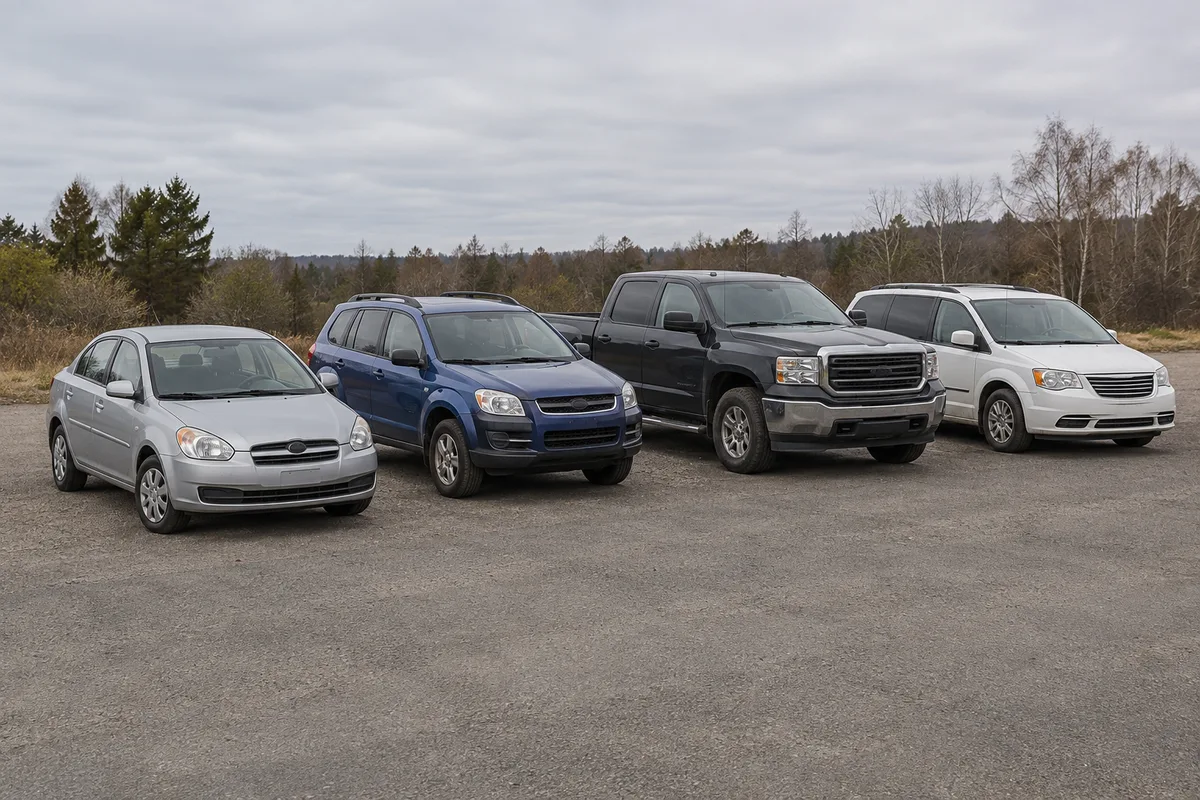
Curb weight describes the vehicle, not a single assessed material stream. A car contains different materials and components. Its recorded weight therefore cannot be assumed to earn one scrap-metal rate in full.
One metric tonne equals 1,000 kilograms. If an example uses 1,200 kilograms, convert that quantity to 1.2 metric tonnes before multiplying by a metric-tonne rate. Multiplying 1,200 directly by a per-tonne rate would inflate the arithmetic by a factor of 1,000.
Keep the material definition consistent as well. A rate for one material cannot be applied automatically to every kilogram of the car. Our vehicle value factors guide explains the information needed for an individual assessment.
How do you avoid counting a component twice?
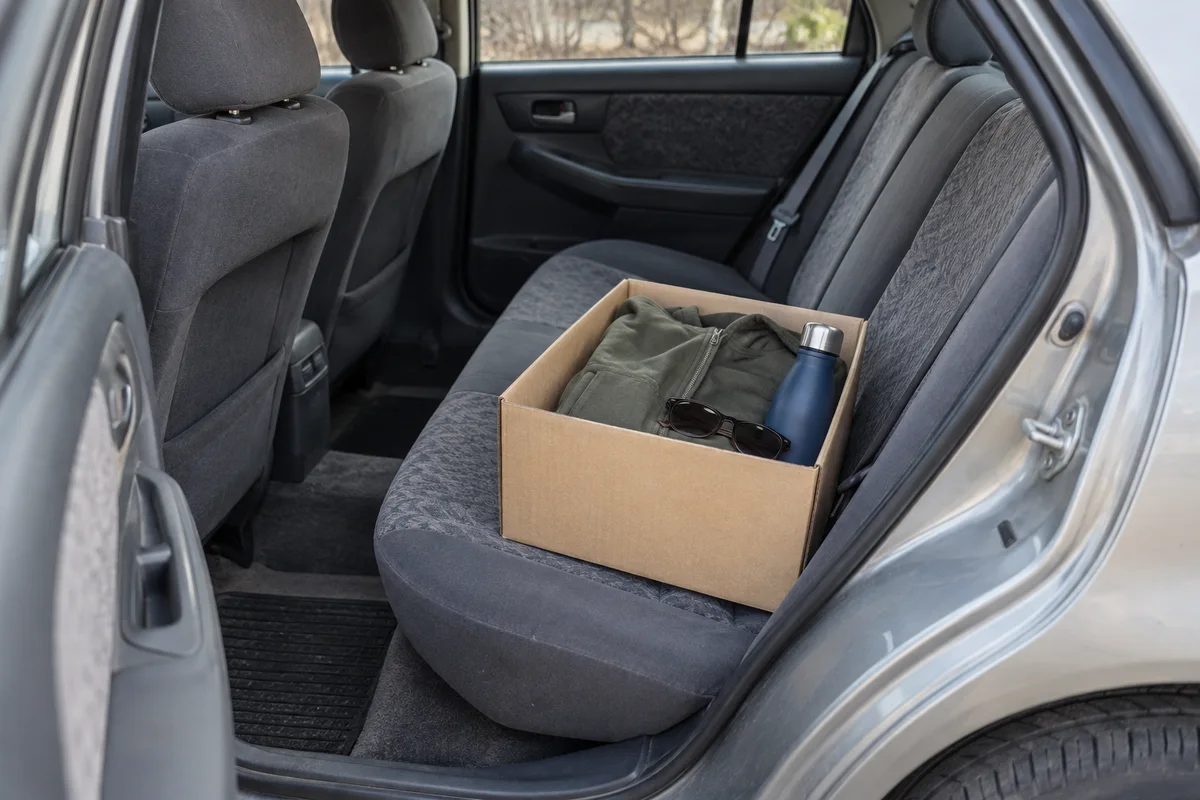
Keep reusable-component value separate from the material already counted in the subtotal. If an example assigns a component a reuse value, its material cannot also remain in a full-car material calculation without adjustment. Otherwise the same item contributes twice.
Consider an illustration with a material subtotal and a separately assessed component. The material quantity must describe what remains after that component is excluded. A simple example can leave the component out entirely when its quantity or assessment is unknown.
Online asking prices do not solve that uncertainty. A listed part may differ in condition or compatibility, and an asking price is not proof of a completed sale. Avoid adding a collection of retail listings to an assumed whole-car metal value.
Can a province or model table establish your offer?
No hypothetical table establishes an individual offer. A province label does not measure the vehicle’s actual material quantity, and a model label does not describe its present condition. Use the tables to understand assumptions rather than select a guaranteed payment.
The existing Ontario examples and British Columbia examples have their own explanatory context. Compare an actual offer using the same vehicle description, collection address and included services.
A vehicle’s offer can fall outside an illustrative range. Ask what the proposed amount includes and which conditions remain subject to inspection.
Why can the amount change after inspection?
Inspection can identify a difference between the described car and the car available for purchase. Missing components, additional damage or incorrect identification can change the assessment. Ask what changed and review the confirmed amount before agreeing to the sale.
Update the buyer before collection if the car’s condition changes after the initial discussion. For example, explain a newly removed component rather than assuming that the original description still applies. Keep the comparison focused on the actual car, not the most favourable example online.
What information helps you request a useful assessment?
Provide the year, make, model, known faults and collection location. State whether the car starts, rolls and steers, and identify missing components. You do not need to weigh the car or dismantle it to start an inquiry.
Cash For Cars discusses the assessment by phone or email. An accepted purchase includes free towing and cash on the spot after inspection and agreement. The collection process explains how the inquiry becomes an agreed visit and purchase.
Your vehicle. Your decision.
Request your vehicle’s offer
Provide your vehicle details and collection location to start your inquiry.