Cash For Cars Canada
BC Guide · ICBC Write-Offs · Cash-and-Keep Options

ICBC Write-Off Process - What Happens to Your Vehicle and Your Options

When ICBC declares your vehicle a total loss, several things happen at once - an insurance settlement, a salvage value determination, and a decision point about whether to keep the vehicle or let ICBC retain it. This guide explains the ICBC write-off process from the vehicle owner's perspective, including the cash-and-keep option, what to do with a retained salvage vehicle, and how the process intersects with selling the vehicle for cash.

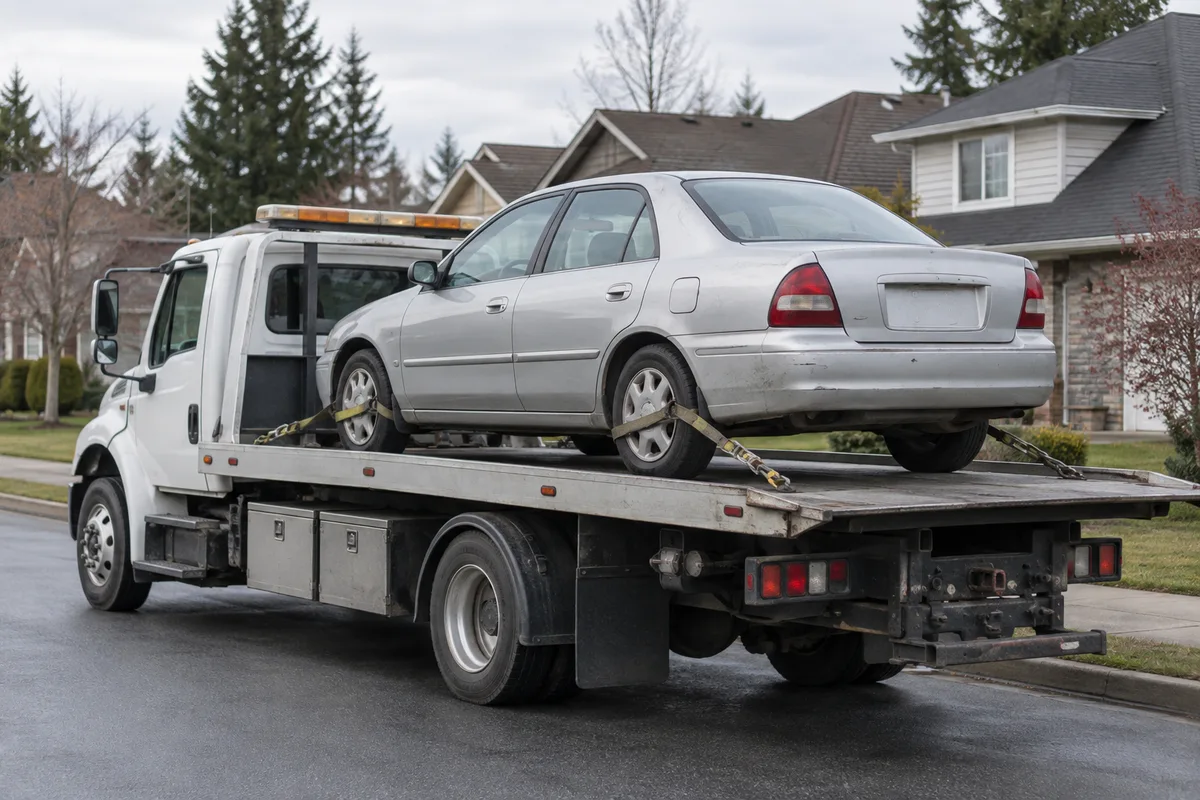
Scrap car removal truck picking up a written-off vehicle in British Columbia
ICBC Write-Off Total-loss settlement, salvage value, retained salvage, and cash-and-keep options explained for BC vehicle owners.
Total-loss process
Settlement options
Cash-and-keep guide
BC vehicle owners
Short Answer

ICBC Write-Off Process - The Short Answer

An ICBC write-off is a vehicle ICBC has determined is uneconomical or unsafe to repair - typically when repair cost exceeds a threshold percentage of the pre-loss market value, or when structural damage and safety considerations make repair inadvisable. ICBC assigns a salvage value reflecting the damaged vehicle's worth, then offers settlement: full replacement value with ICBC retaining the vehicle, or partial settlement (replacement minus salvage value) with the owner retaining the salvage vehicle - known as "cash and keep" or "retained salvage." Specifics vary by claim.

ICBC Total Loss

How ICBC Determines a Vehicle Write-Off

After an accident, theft recovery, or significant damage claim, ICBC assesses two figures: the vehicle's pre-loss market value and the estimated cost of repair. The pre-loss value reflects what the vehicle was worth undamaged - typically determined from Canadian Black Book values, comparable BC sales, and condition-adjusted base values for the same year, make, model, and trim. The repair estimate comes from ICBC-authorized assessors working from the post-incident inspection.

If repair cost exceeds a threshold percentage of pre-loss value, ICBC declares the vehicle a total loss - a "write-off." The exact threshold varies by claim. Factors include the type and extent of damage, structural and frame integrity, safety implications, and whether repair is technically feasible. ICBC's policy documentation and your claim file are the authoritative source for how the threshold applies to any specific vehicle.

A write-off also results in a status assignment that follows the vehicle. Common categories include rebuildable (can be repaired and re-registered after a designated inspection), salvage (sold for parts or scrap, no road re-registration), and irreparable (must be destroyed and removed from the registry). The category affects what you can legally do with the vehicle if you retain it through cash-and-keep.

Settlement Options

Settlement Options When ICBC Writes Off Your Vehicle

Standard ICBC settlement for a total-loss write-off is the vehicle's pre-loss market value, paid as a lump sum after the claim is finalized. The amount reflects what comparable undamaged vehicles of the same year, make, model, condition, and mileage were selling for in BC at the time of loss. Pre-loss value is the ceiling; deductibles, depreciation adjustments, and policy-specific factors apply.

Owners can often elect to retain the damaged vehicle - a cash-and-keep or retained salvage settlement. Under this option, ICBC pays the pre-loss value minus the assigned salvage value, and the owner keeps the vehicle to dispose of as they choose. The cash-and-keep amount and the salvage value figure are claim-specific.

Settlement specifics vary by claim type, policy terms, damage category, status assignment, and the owner's path. Your ICBC representative and your settlement documentation are the authoritative sources for the figures and timelines that apply. This guide explains the process owners encounter; it doesn't replace ICBC's claim paperwork.

Owner Options

Your Options After ICBC Writes Off Your Vehicle

Three paths open up after a write-off. The right one depends on the vehicle, the settlement figures, and the administrative work the owner wants to take on.

OPTION 01

Accept Standard Settlement (ICBC Retains the Vehicle)

ICBC pays the pre-loss value (minus deductibles and policy adjustments) and takes possession through their salvage process. The owner walks away entirely. Best for a clean exit - single settlement, no separate vehicle disposition to manage.

OPTION 02

Cash-and-Keep Settlement (Owner Retains the Vehicle)

ICBC pays the pre-loss value minus the assigned salvage value, and the owner keeps the vehicle. Follow-on options: sell to a scrap or junk car buyer, sell privately under the new status category, part it out for high-value components, or repair where status permits. Best when the salvage vehicle can likely recover more independently than ICBC's assigned figure.

OPTION 03

Negotiate the Pre-Loss Value or the Salvage Value

Owners can dispute either figure with supporting documentation - comparable BC sales, recent appraisals, condition records, service history. ICBC has internal dispute processes; specifics vary by claim. The Insurance Corporation of British Columbia is the authoritative source for dispute procedures.

BC owners who choose Option 2 often find that selling the salvage vehicle to a scrap or junk car buyer recovers close to or even exceeds ICBC's assigned salvage value - particularly with an intact catalytic converter or high-demand parts. BC Scrap-It Program eligibility may also apply, adding an incentive separate from any cash offer.

Cash-and-Keep Vehicles

Selling a Cash-and-Keep ICBC Write-Off Vehicle

If you've elected the cash-and-keep settlement, the vehicle is yours to sell. The ICBC pink slip remains in your possession - ICBC does not keep your pink slip after a cash-and-keep write-off, which is different from a standard ICBC-retained write-off where ICBC takes the vehicle. From there you can sell to a scrap or junk car buyer, sell privately under the new status category, sell parts separately, or repair the vehicle if its status assignment allows.

Cash For Cars routinely picks up ICBC cash-and-keep write-off vehicles across the British Columbia provincial hub. The partner network covers the Surrey home base plus 17 additional BC cities. Same-day pickup is standard in the Lower Mainland; Sea-to-Sky and Fraser Valley East have next-day windows. The cash offer is calculated from the actual vehicle in front of the driver - weight, condition, intact components, parts demand - independent of whatever salvage value ICBC assigned in the settlement.

Typical BC payouts in 2026 sit at $200–$500 for sedans and $350–$1,000 for SUVs and trucks at a BC steel rate near $0.09 per pound. An intact catalytic converter adds $100–$500. Vehicles with running engines, intact transmissions, alloy wheels, or other high-demand parts can reach junk-car territory - up to $5,000 for trucks with significant parts value. Use the scrap and junk car value calculator for an estimate.

FAQ

Frequently Asked Questions - ICBC Write-Off Process

What's the difference between a write-off and a salvage vehicle?
ICBC write-off is the insurance event - ICBC declares your vehicle a total loss when repair exceeds a threshold of pre-loss value. Salvage describes the resulting status - a vehicle that's been written off has a salvage-category status assigned, which affects re-registration, resale, and what you can do with the vehicle if you retain it through cash-and-keep.
Can I keep my vehicle after ICBC writes it off?
Often yes, through a cash-and-keep settlement (also called retained salvage). ICBC pays the pre-loss value minus the assigned salvage value, and you keep the vehicle. Availability depends on the damage category, vehicle status assignment, and your specific claim. Discuss the options that apply with your ICBC representative.
How much does ICBC pay for a write-off?
Standard settlement is the pre-loss market value, minus deductibles and policy adjustments. Under cash-and-keep, ICBC pays pre-loss value minus the assigned salvage value. Specific amounts depend on Canadian Black Book values, condition adjustments, and your claim specifics. Your settlement documentation is the authoritative source for the figures that apply.
What is salvage value in an ICBC write-off?
Salvage value is what ICBC assigns to your damaged vehicle in its current condition - a figure reflecting damage severity and remaining recoverable components. Under cash-and-keep, it's what ICBC deducts from your settlement when you retain the vehicle. For a deeper explanation, see our guide to what is vehicle salvage value.
Can I sell my ICBC cash-and-keep vehicle to Cash For Cars?
Yes. Cash For Cars routinely picks up ICBC cash-and-keep write-off vehicles across BC. The cash offer is calculated from the vehicle's actual condition and components - weight, intact parts, catalytic converter, junk versus scrap classification - independent of whatever salvage value ICBC assigned. The pickup is free; payment is cash on collection.
Will Cash For Cars pay more than ICBC's assigned salvage value?
Sometimes yes, sometimes no - it depends on the specific vehicle. Vehicles with intact catalytic converters or high-demand parts often deliver scrap-pickup offers that match or exceed ICBC salvage values. Newer vehicles with significant ICBC pre-loss values typically settle higher through ICBC than through scrap pickup. Use the scrap car value calculator for your vehicle's specific range.
Do I need to cancel my ICBC coverage after a write-off?
Yes - but cancellation is the owner's responsibility on the owner's own timing. ICBC handles the settlement; you handle the coverage cancellation through your usual ICBC channel (Autoplan broker, ICBC online, or an ICBC office). Cash For Cars does not handle ICBC coverage cancellation, insurance refunds, or plate surrender - plates are surrendered at any ICBC location by the registered owner.
How long does the ICBC write-off process take?
The timeline from ICBC's total-loss decision to final vehicle removal varies with claim processing, payout acceptance, storage location, and the owner's path (standard settlement or cash-and-keep). Vehicles at towing compounds or collision yards accumulate daily storage fees after a total-loss decision, which is why many BC owners settle the disposition quickly once the write-off is confirmed.
Ready to Estimate?

Get Your ICBC Cash-and-Keep Vehicle's Cash Value

If you've chosen the cash-and-keep settlement, the scrap or junk value of the retained vehicle is one more piece of the financial picture - alongside the ICBC payment, this is what selling the vehicle separately can recover. Use the calculator for an instant estimate of your vehicle's value, or contact the team to discuss your situation. Free pickup; cash on collection.

menucross-circle